China Top 10 Polyolefin Foam Insulation Types?

China’s polyolefin foam insulation sector deserves closer examination as energy efficiency becomes a construction priority. The International Energy Agency reports that buildings consume about 30% of global final energy and produce roughly 26% of energy-related emissions. The 2023 Global Status Report for Buildings and Construction presents an even broader warning: buildings remain responsible for around 34% of global energy demand and carbon emissions.

These figures give insulation a practical role. It can reduce heat transfer through chilled-water pipes, HVAC ducts, roofs, walls, and industrial equipment. Polyethylene, cross-linked polyethylene, polypropylene, EVA, and TPO foams serve different temperature, flexibility, moisture, and fire-performance needs. China’s manufacturing base also supports large-scale production, customization, and regional supply chains. MarketsandMarkets and Grand View Research both identify construction, automotive, packaging, and industrial uses as important polyolefin foam demand areas.

Still, a “top 10” list can mislead. Product names often overlap. Density, cell structure, facing material, installation quality, and testing standards can change real performance. Building-science expert Joseph Lstiburek has repeatedly emphasized, “Water belongs outside.” That short sentence remains relevant when evaluating insulation systems, not only foam chemistry. A product may look efficient on paper but fail around joints, penetrations, or poorly sealed seams. Small details matter.

This guide compares China’s leading polyolefin foam insulation types through performance, applications, durability, and practical installation factors. It also considers limitations, because no foam solves every building-envelope problem. Some industry data is difficult to compare directly. That deserves honest reflection.
China Top 10 Polyolefin Foam Insulation Types?

Polyolefin Foam Insulation: Definition and Core Structure

China Top 10 Polyolefin Foam Insulation Types?

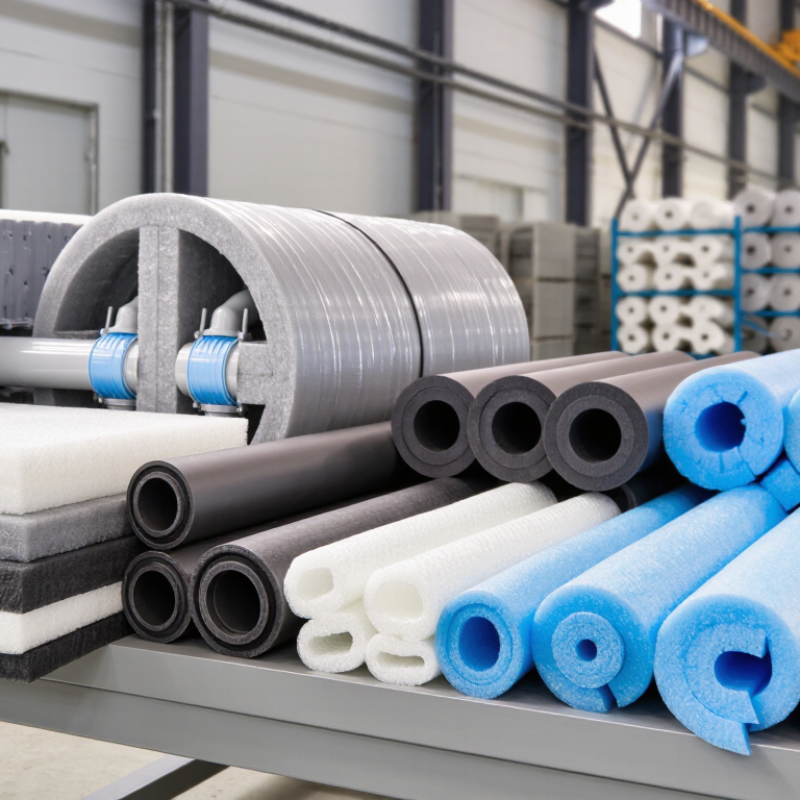
Polyolefin foam insulation is a lightweight material made from polyethylene or polypropylene resin. Its core contains many small, mostly closed cells filled with gas. This structure slows heat transfer through conduction, convection, and limited radiation. It also restricts water absorption when the cell walls remain intact. The surface may include a smooth skin, laminated film, or reinforced facing. Each layer changes flexibility, durability, and installation behavior.

In practical building and pipe applications, density and cell uniformity matter greatly. A fine, even cell structure usually supports stable thermal performance and better compression recovery. However, a neat surface can mislead. Damaged edges, crushed sections, or poorly sealed joints may reduce insulation efficiency. Installers should check thickness, operating temperature, dimensional stability, and fire performance against project requirements. Testing should follow applicable local standards and verified laboratory methods. Polyolefin foam is not automatically suitable for every environment.
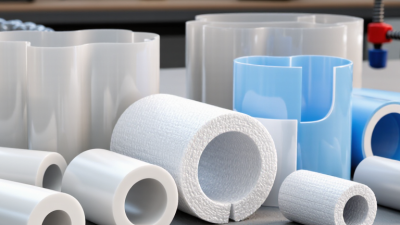
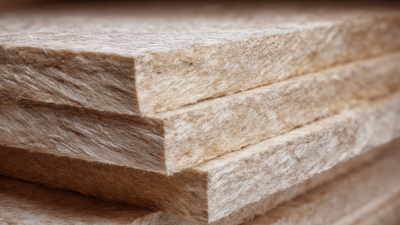
Tips: Keep the foam dry and clean before installation. Cut joints squarely. Seal gaps around valves and supports. Avoid excessive compression. A small mistake can become a cold bridge. Recheck exposed areas after installation, because real sites are rarely perfect.

Key Criteria for Classifying Polyolefin Foam Insulation Types

China Top 10 Polyolefin Foam Insulation Types?

Polyolefin foam insulation should be classified by structure, not appearance alone. In practical projects, the ten commonly discussed types include EPE, XPE, IXPE, chemically crosslinked PE foam, physically crosslinked PE foam, non-crosslinked PE foam, PP foam, reticulated foam, foil-faced foam, and pipe-section foam. These names can overlap. That is an important limitation.

The first criterion is polymer composition, such as polyethylene or polypropylene. Next, check the crosslinking method, because it affects strength, recovery, and temperature resistance.

Cell structure also matters. Closed cells usually provide better moisture resistance and stable thermal performance. Density, thickness, and compression behavior help separate similar products.

Surface treatment, foil facing, and preformed shapes describe application-focused types. For pipes, flexibility and inner diameter accuracy deserve careful inspection. Fire performance must be verified through recognized laboratory testing. Do not judge it from color or touch.

Tips:

Request a technical datasheet and test report. Compare thermal conductivity at the same temperature. Check whether thickness changes after compression. Inspect cut edges for uneven cells. In my experience, installation errors can reduce performance more than small material differences. Some classifications remain imperfect, especially when suppliers use different naming habits. A careful buyer should record density, cell structure, temperature range, moisture behavior, and compliance evidence before selection.

China’s Top 10 Polyolefin Foam Insulation Types

China’s top 10 polyolefin foam insulation types are commonly selected by density, cell structure, moisture resistance, and installation method. The practical list includes EPE foam, XPE foam, IXPE foam, XLPE foam, PE pipe insulation, PE sheet insulation, PE air-bubble foam, PE acoustic foam, PP foam board, and PP honeycomb insulation. These materials serve roofs, walls, pipes, floors, packaging, and transport equipment. China has no single official ranking, so this list reflects common engineering use and supplier specifications.

The International Energy Agency reported that buildings and construction accounted for about 30% of global energy demand in 2023. That pressure supports better insulation design. A 2024 market study from MarketsandMarkets placed the global polyethylene foam market above USD 4 billion, with Asia-Pacific showing strong demand.

In field projects, closed-cell XPE and IXPE usually offer better moisture control. XLPE suits higher-temperature applications. EPE remains popular because it is light and economical. PP foam can provide stronger dimensional stability. Yet foam thickness alone does not guarantee performance. Installation gaps still matter.

Tips: Check thermal conductivity, density, compression recovery, water absorption, and fire-test documentation before approval. For cold pipes, seal every joint carefully. A small opening can create condensation. Do not select the lowest-cost foam automatically. That choice often needs rework. Engineers should also verify local building requirements and actual service temperature. Some product data appear impressive, but test conditions may not match the jobsite.

Performance and Application Comparison of the Ten Types

China’s polyolefin foam market includes ten practical insulation forms: EPE, XPE, XLPE, IXPE, non-crosslinked PE, PE sheet foam, PE pipe foam, EPP, EVA foam, and TPO foam. Their performance differs mainly through cell structure, density, crosslinking, and surface treatment. EPE is lightweight and economical, but it offers lower compression recovery. XPE and XLPE provide finer cells, stronger moisture resistance, and better dimensional stability. IXPE has a smoother surface and tighter structure, making it suitable for precision packaging and interior insulation.

Non-crosslinked PE remains flexible and easy to process, although heat resistance is limited. PE sheet and pipe foams are practical for walls, roofs, ducts, and chilled-water lines. EPP withstands repeated impact and higher temperatures, so equipment protection and automotive cavities are common uses. EVA foam feels softer and absorbs vibration well, but its long-term thermal stability requires careful checking. TPO foam resists chemicals and weathering, supporting outdoor and industrial applications. It is not always the cheapest choice.

In field inspections, thickness alone often misleads buyers. A thin IXPE layer may outperform thicker EPE under compression, while dense XLPE can reduce heat transfer around irregular pipes. Installation quality matters. Open joints, crushed edges, and wet substrates can weaken otherwise suitable foam. The ranking is not absolute. Testing should include thermal conductivity, water absorption, compression set, service temperature, and fire behavior. Some published data also vary by density and test method, so direct comparisons need caution.

How to Choose the Right Polyolefin Foam Insulation Type

Choosing among the top 10 polyolefin foam insulation types requires more than comparing product names. Consider polyethylene, cross-linked polyethylene, expanded polyethylene, polypropylene, expanded polypropylene, ethylene-vinyl acetate, and their laminated or reinforced forms. Each option changes thermal resistance, flexibility, water absorption, and installation behavior.

Start with the application. Closed-cell polyethylene foam suits pipework, ducts, and irregular joints because it resists moisture and compresses easily. Cross-linked grades usually offer better dimensional stability under repeated loading. Expanded polypropylene can tolerate impact and moderate heat, making it useful around equipment.

Thin laminated foam may fit reflective assemblies, but it should not replace a properly designed insulation layer. Check thermal conductivity through ASTM C518 or ISO 8301 test data, not advertising language.

The International Energy Agency’s Buildings report states that buildings consume about 30% of global final energy. Small insulation decisions can therefore affect long-term operating costs. For fire-sensitive interiors, request ASTM E84 or equivalent reaction-to-fire results. Confirm the rated temperature range, thickness, vapor resistance, and aging performance.

Do not assume a lower conductivity value guarantees better field performance. Compression, open seams, and poor fittings can reduce effectiveness. I have seen attractive foam fail at corners because installers stretched it too far. Selection should combine laboratory data, site measurements, and realistic maintenance expectations. Performance is rarely perfect.

LSP App

Download the LSP App now

Scan QR code to download the app

We use cookies to personalize content, utilize website traffic analytics & support our marketing initiatives. By continuing to browse our site you consent to receive our cookies. For more information see our Privacy Statement. 
Ok