Choosing China’s top thermobreak polyolefin insulation suppliers requires more than comparing prices or catalog photographs. The real test begins with the material in use: a clean silver-faced roll, consistent thickness, sealed joints, and stable performance beneath a hot metal roof. This introduction examines suppliers through practical criteria, including thermal conductivity, emissivity, moisture resistance, compression recovery, fire-test documentation, and production consistency. It also considers whether manufacturers provide traceable batch records, technical datasheets, installation guidance, and responsive after-sales support.
Building-envelope expert Joseph Lstiburek has emphasized, “A building enclosure is a system.” That principle matters when evaluating thermobreak polyolefin insulation. A reflective surface alone cannot correct poor installation, open seams, thermal bridges, or trapped moisture. Strong suppliers should explain the complete assembly, not merely promote a high insulation value. Their evidence should include independent laboratory testing, recognized quality systems, export experience, and samples that match the final production batch.
Not every large factory is the right choice. Some suppliers communicate well but offer thin technical evidence. Others provide impressive certificates, yet weak project support. That gap deserves attention. Buyers should request recent test reports, product tolerances, adhesive compatibility data, and installation photographs from comparable applications. Factory audits can reveal details that websites hide, such as uneven lamination or inconsistent roll winding.
This guide therefore focuses on credible Chinese manufacturers with measurable capabilities, transparent documentation, and practical experience in thermobreak polyolefin insulation. The ranking may still require judgment. Project climate, building type, budget, and local compliance rules can change the result. A responsible shortlist should remain flexible, evidence-based, and open to verification.
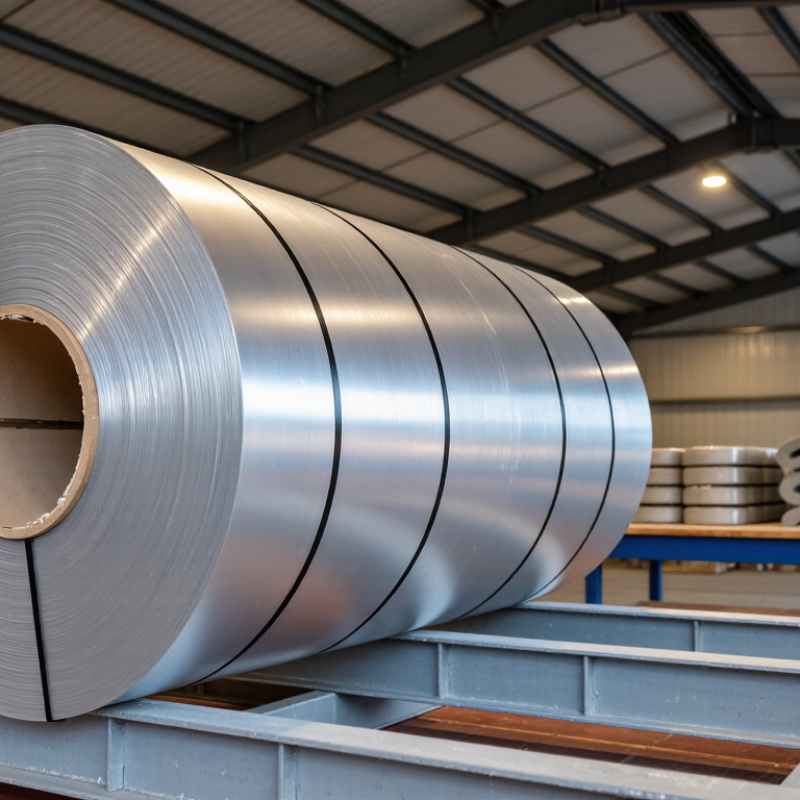
Thermobreak polyolefin insulation is a lightweight, closed-cell foam made mainly from polyethylene or polypropylene. Its sealed cells slow heat transfer and limit water absorption. Many products include a reflective foil facing for radiant heat control, but the facing needs an air gap to work properly. Without that gap, its benefit may be overstated.
The Global Status Report for Buildings and Construction 2023 reported that buildings consumed about 30% of global final energy in 2022. Better insulation can reduce heating and cooling demand, although performance depends on thickness, joints, and installation quality. Product datasheets commonly show thermal conductivity near 0.034–0.040 W/m·K, tested under defined conditions. These figures are not universal. Temperature, density, aging, and compression can change results. Fire performance also varies, so buyers should check independent testing against local building requirements.
Tips: Ask suppliers for thermal conductivity tests, water absorption data, fire classification, and aging results. Inspect seams carefully; a small unsealed gap can weaken an otherwise good system. Polyolefin foam is clean and flexible, yet it is not magic. Some projects still need mineral or other specialized insulation for higher fire resistance. I would also question any supplier using one impressive number without naming the test standard. Reliable evidence matters more than polished claims.
| Evaluation Dimension | Typical Data or Requirement | Technical Meaning and Supplier Selection Notes |
|---|---|---|
| Material Definition | Closed-cell polyolefin foam, commonly based on polyethylene or polypropylene | Thermobreak-type insulation is a lightweight, flexible foam material with a predominantly closed-cell structure. It is used for thermal insulation, condensation control, impact reduction, and acoustic improvement. |
| Common Product Forms | Sheets, rolls, tubes, pipe sections, laminated panels, and custom die-cut parts | A capable supplier should offer product formats suitable for HVAC ductwork, pipes, roofs, walls, floors, vehicles, packaging, and industrial equipment. |
| Typical Density Range | Approximately 20–100 kg/m³, depending on grade and application | Lower-density grades reduce weight and cost, while higher-density grades generally provide better compressive strength and dimensional stability. The exact value should be confirmed on the technical data sheet. |
| Thermal Conductivity | Typically about 0.032–0.045 W/m·K at room temperature | Lower thermal conductivity indicates better insulation performance. Test temperature, specimen thickness, humidity, and test standard must be reviewed before comparing different suppliers. |
| Operating Temperature | Common grades are often designed for approximately −40°C to +80°C; special grades may differ | The usable range depends on polymer type, formulation, adhesive, facing, and exposure time. Applications involving high heat, refrigeration, or outdoor weathering require grade-specific confirmation. |
| Water Absorption | Generally low because of the closed-cell structure; many grades target less than 1% by volume after standard testing | Low water absorption helps control condensation and maintain insulation performance. Suppliers should provide the test method and duration because results vary with thickness and processing. |
| Moisture and Vapor Control | Good moisture resistance; vapor permeability varies by thickness, density, and surface facing | For chilled-water pipes, refrigeration, and HVAC systems, vapor-barrier performance and joint sealing are as important as the foam itself. |
| Compressive Strength | Commonly measured at 10% compression; typical values may range from about 20 to 250 kPa | Higher compressive strength is important for underfloor systems, roof assemblies, packaging, and areas exposed to repeated loading. The required value should be matched to the application. |
| Dimensional Stability | Should be verified after heat aging, humidity exposure, and temperature cycling | Stable dimensions reduce gaps, wrinkles, and thermal bridges. A reliable supplier should provide shrinkage or dimensional-change results under defined test conditions. |
| Fire Performance | Depends strongly on formulation; flame-retardant grades may meet selected construction or transportation classifications | Fire rating is not inherent to all polyolefin foams. Request complete classification reports, thickness details, mounting conditions, and the applicable standard before approval. |
| Acoustic Performance | Useful for impact-noise reduction, vibration damping, and limited sound attenuation | Closed-cell foam can reduce structure-borne vibration, but it is not a direct replacement for porous sound absorbers in every acoustic application. Performance depends on system design and installation. |
| Chemical Resistance | Generally resistant to water, dilute acids, alkalis, and many common chemicals; compatibility must be tested for solvents and oils | Polyolefin compatibility varies with temperature, concentration, and exposure time. Suppliers should provide chemical-resistance guidance for the intended operating environment. |
| UV and Weather Resistance | Indoor grades may require protection from prolonged sunlight; outdoor grades need suitable stabilization or facing | Continuous UV exposure can cause surface degradation and color change. Outdoor projects should specify UV exposure requirements and protective coverings. |
| Thickness Options | Frequently available from approximately 2 mm to 50 mm or more, depending on the product format | Thickness should be selected according to the required thermal resistance, available space, condensation risk, and installation method. Multiple layers may be used where appropriate. |
| Surface Treatments and Facings | Plain foam, adhesive-coated surfaces, foil facings, textile facings, and laminated films | Facings can improve vapor control, handling, appearance, puncture resistance, or installation efficiency. Adhesive systems require verification for temperature and aging performance. |
| Manufacturing Capability | Continuous extrusion, cross-linking or physical foaming, laminating, slitting, die-cutting, and custom fabrication | Suppliers with integrated processing can usually provide more consistent thickness, density, surface quality, and custom dimensions. Ask about process control and production capacity. |
| Quality Documentation | Technical data sheet, safety data sheet, certificate of analysis, batch traceability, and inspection records | Documentation should identify density, thickness, thermal conductivity, water absorption, mechanical properties, fire performance, tolerances, and test standards. |
| Relevant Compliance Checks | Applicable requirements may include ISO quality systems, restricted-substance controls, fire regulations, and project-specific building standards | Compliance depends on the destination market and end use. Certificates should be current, traceable, and issued for the exact material grade rather than a similar product. |
| Customization Capability | Custom thickness, width, density, color, adhesive, facing, roll length, packaging, and die-cut geometry | Before placing an order, provide drawings, tolerances, annual demand, application temperature, installation method, and required performance targets. |
| Sampling and Testing | Pre-production samples, first-article approval, and batch testing are recommended | Samples should be tested under actual conditions for fit, adhesion, thermal performance, compression, moisture resistance, odor, and surface compatibility. |
| Supply and Export Factors | Check minimum order quantity, lead time, packaging, export experience, documentation, and logistics options | A suitable supplier should communicate production schedules clearly and provide packaging that protects rolls, sheets, edges, and adhesive surfaces during transport. |
| Best-Fit Applications | HVAC ducts, chilled-water pipes, refrigeration, roofs, walls, floors, vehicles, equipment insulation, and protective packaging | The correct grade depends on thermal load, moisture exposure, mechanical loading, fire requirements, installation space, and expected service life. |

Scan QR code to download the app
 Skip to main content