In today's energy-conscious world, maximizing energy efficiency is crucial. Foam insulation boards play a vital role in achieving this goal. Renowned insulation expert Dr. Emily Harris notes, "Using foam insulation boards correctly can drastically reduce energy loss."
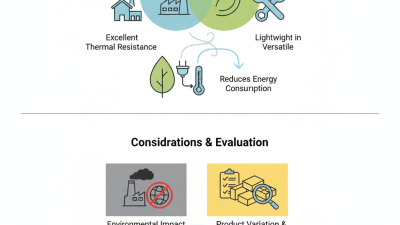
To understand the impact of foam insulation boards, we must explore their advantages. These boards provide exceptional thermal resistance. They reduce heat transfer, making homes more comfortable year-round. However, not everyone utilizes them effectively. People sometimes underestimate the importance of proper installation techniques.
Choosing the right foam insulation boards is essential. Some boards offer better moisture resistance than others. Selecting the wrong type can lead to problems like mold growth and insulation failure. It's clear that while foam insulation boards are beneficial, their effectiveness depends on proper selection and application. Careful planning and execution can significantly enhance energy efficiency.
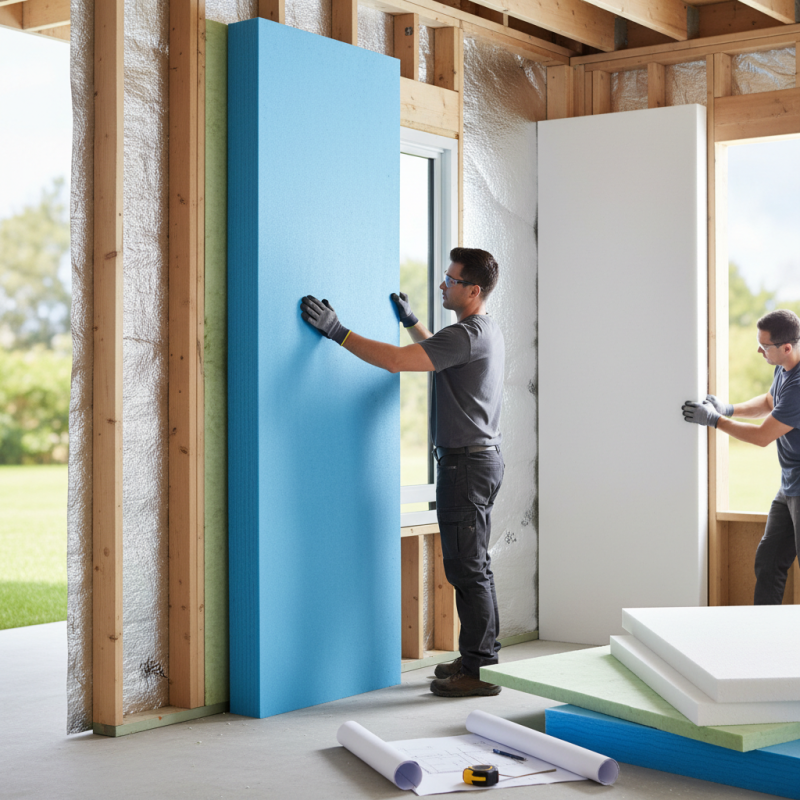
Foam insulation boards are becoming increasingly popular in energy-efficient construction. These boards are made from materials like polystyrene and polyurethane. They provide excellent thermal performance. Their lightweight nature makes installation easy. The boards can fit into walls, roofs, and floors seamlessly. This adaptability makes them a top choice for many projects.
One significant benefit of foam insulation boards is their high R-value. This means they resist heat flow effectively. Homeowners can experience lower energy bills due to reduced heating and cooling costs. Additionally, foam boards can help minimize noise transfer between rooms. This offers added comfort and privacy in living spaces. However, proper installation is crucial. Any gaps or mistakes can lead to energy loss.
Another aspect to consider is the environmental impact. While foam boards can boost energy efficiency, the materials used can be harmful. Choosing eco-friendly options can mitigate some of these concerns. It's also important to assess the long-term durability. In some cases, foam boards might degrade over time if exposed to moisture. Evaluating these factors can lead to better-informed decisions.
Foam insulation boards come in various types, each with unique properties. Rigid polyurethane foam is known for its high R-value. This makes it effective at preventing heat loss. It is lightweight, making it easy to install. However, it can be more expensive than other options.
Expanded polystyrene (EPS) is another choice. It’s less pricey and offers decent insulation. It is also water-resistant, which can be beneficial in damp climates. Yet, its R-value is lower than polyurethane. Some users notice it can sag over time, which might reduce effectiveness.
Extruded polystyrene (XPS) adds durability. Its structure provides resistance to moisture. People often use it for basement walls and exterior applications. But, it tends to be more rigid and harder to cut. A sharp knife is necessary, and mistakes can happen. Each foam board type has its merits and drawbacks. The decision depends on your specific needs.
When installing foam insulation boards, precise steps are crucial for energy efficiency. Proper placement and sealing can save homeowners up to 20% on heating and cooling costs. According to the U.S. Department of Energy, around 30% of energy is wasted due to inadequate insulation.
Start by measuring the space accurately. Cut foam boards to fit snugly, ensuring there are no gaps. Use a sharp utility knife for clean edges. Gaps allow air leaks, undermining insulation effectiveness. In an average home, small leaks can equate to losing up to 10% of energy efficiency.
After cutting, secure the boards to walls or ceilings using adhesive or mechanical fasteners. Be sure to seal joints with appropriate tape or caulk. This step is vital. Unsealed joints can lead to drafts. A recent study indicated that sealing insulation can improve performance by over 50%. Proper installation takes time and attention. Inspect for any misalignment or areas needing extra sealing. This can make a notable difference in overall insulation performance.
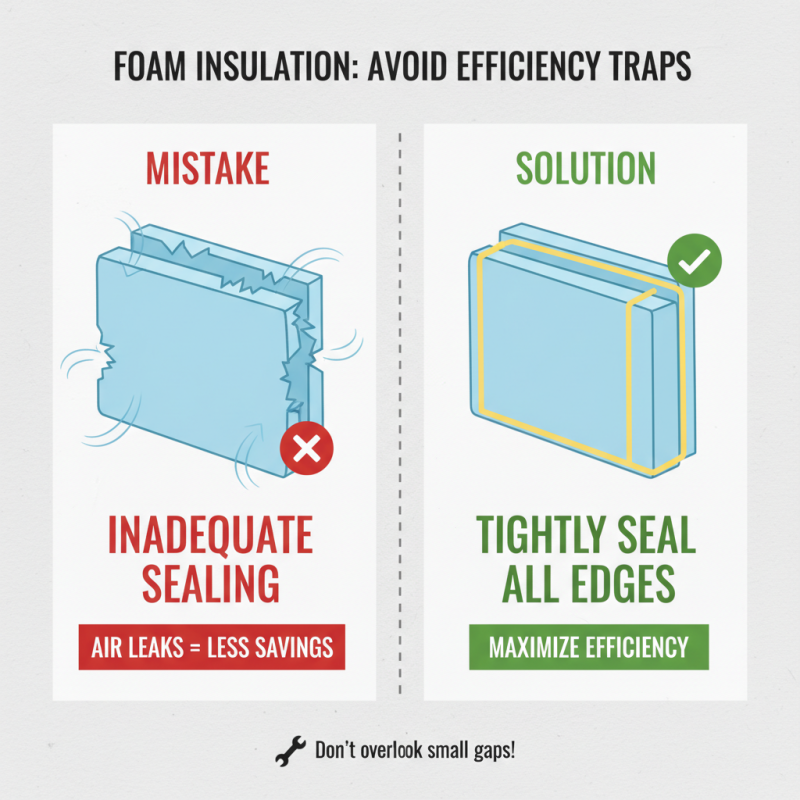
When using foam insulation boards, some common mistakes can lead to decreased efficiency. One frequent error is inadequate sealing at the edges. Gaps can allow air infiltration, reducing the boards' effectiveness. Make sure every seam is tightly sealed. Check for any overlooked spots; even small gaps can be problematic.
Another issue arises from improper installation. Cutting boards inaccurately can create unnecessary waste and gaps. Take your time when measuring and cutting. Use a sharp knife for clean edges. This detail matters. Additionally, don’t forget about local building codes. Ignoring regulations can lead to bigger problems down the road.
Lastly, neglecting to consider the R-value is a mistake. Not all foam boards offer the same insulation properties. Research the options to find the best fit for your climate. Some may not provide the necessary resistance to heat flow. It might seem tedious, but these careful considerations will ensure long-term energy savings. Your efforts today can lead to a more comfortable home tomorrow.
Foam insulation boards are pivotal for energy efficiency. They help create a barrier against heat loss. However, they require ongoing maintenance to maximize their benefits. Regular checks for cracks or gaps are essential. Even small issues can lead to significant energy loss. A study by the Department of Energy indicates that proper insulation can reduce heating and cooling costs by up to 30%.
In addition to routine inspections, it’s wise to consider improvements. Sealing edges and seams with tape can enhance performance. Reflective barriers can also be added for homes in warmer climates. This approach can further reduce cooling energy demands by nearly 10%. Yet, homeowners often overlook these details during renovations. Sometimes, investing time in small fixes can yield large savings.
Adopting a long-term energy strategy is crucial. Foam insulation boards need adequate installation to perform effectively. Misalignment or improper fitting reduces their effectiveness. It is essential to reevaluate insulation strategies every few years. Engaging with a professional can provide insight into necessary upgrades. Not addressing these aspects may lead to missed opportunities for energy savings.
Scan QR code to download the app
LSP Products was founded by plumbers over 50 years ago with a focus on unparalleled innovation, superior product quality, and best-in-class service to the plumbing industry. Our primary focus is the new construction market where we develop products that make installations easy and provide significant cost savings to the plumbing/mechanical contractor. LSP has a manufacturing facility located in Monterrey, Mexico and a distribution center in Dallas, Texas. We are proud to offer many products designed and made in North America… About LSP
Submit the form below to receive the document via email.