Choosing a floor in 2026 is about more than matching a sample to a sofa. The right surface must suit your rooms, routines, subfloor, and budget. A sunny kitchen, a damp basement, and a quiet bedroom rarely need the same material. This guide compares engineered hardwood, solid wood, laminate, rigid-core vinyl, cork, bamboo, and tile. It considers appearance, comfort, durability, maintenance, and installation demands. Details matter.
Brett Miller, a wood-flooring educator associated with the National Wood Flooring Association, offers a useful perspective. The following is an editorial paraphrase, not a verbatim quotation: “A lasting floor starts with sound preparation and installation, not just an attractive finish.” That reminder helps keep product claims in perspective. Water resistance, scratch resistance, and warranties all have limits; read the manufacturer’s instructions before choosing. Down Flooring options can look similar in a showroom, yet feel very different underfoot at home. A rigid-core plank may suit busy family spaces, while cork can feel warmer and quieter. Engineered wood may offer a natural surface with more dimensional stability than solid boards, depending on its construction. No option wins everywhere. This comparison will explain where each material performs well, what trade-offs to expect, and which questions to ask an installer. It will also flag details people sometimes overlook, including transitions, underlayment, and moisture testing. The best choice is not always the trendiest one; sometimes the practical answer is less exciting, and that deserves an honest look.
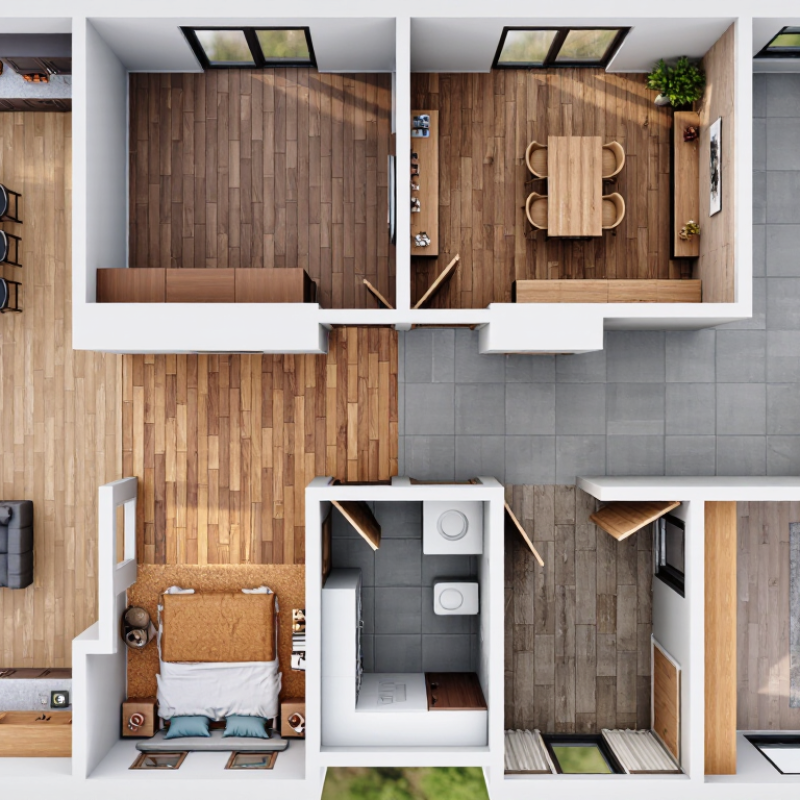
Flooring choices make more sense when installation systems are separated from material categories. A floating floor connects its planks or tiles without fastening them directly to the subfloor. Glue-down flooring uses adhesive, while nail- or staple-down systems are commonly used with suitable wood products. Each method has different preparation needs. That matters.
Main flooring categories include solid and engineered wood, laminate, resilient plank or sheet flooring, and ceramic or porcelain tile. Their construction affects how they respond to moisture, temperature changes, and daily wear. For example, engineered wood has layered construction, while solid wood is milled from a single piece. Resilient flooring can be comfortable underfoot, but product specifications vary. Names alone don’t tell the whole story.
Match the system to the room and the existing floor beneath it. A concrete slab may call for different preparation than a wood subfloor; uneven spots can cause movement or visible gaps. Check moisture conditions, required underlayment, door clearance, and the manufacturer’s installation instructions before choosing. A sample can help reveal color and texture, though it won’t show how a whole room feels. I’d be cautious about treating any one category as universally best.

Hardwood offers visible grain, a warm feel, and the option to refinish scratches. The 2022 Remodeling Impact Report from the National Association of Realtors and the National Association of the Remodeling Industry estimated 147% cost recovery for refinished hardwood and 118% for new wood flooring. Those figures reflect surveyed renovation projects, not a guaranteed return. Solid wood can swell with moisture, while engineered wood handles seasonal changes better. Still, neither belongs in persistently wet areas.
Porcelain tile resists water and scuffs, but feels cold underfoot and can crack if the subfloor flexes. Luxury vinyl plank is softer, quieter, and simpler to clean; check the wear layer and installation details before trusting “waterproof” claims. Carpet cushions footsteps and adds warmth, though spills and embedded grit need regular attention. A real trade-off. Small rooms matter, too: plank direction and tile size can change how spacious a floor feels.
Tips: Match the surface to daily use. Bring samples home and inspect them in morning and evening light. Test a plank near a doorway, where grit and damp shoes often expose weak finishes. For tile, ask how grout will be sealed and maintained. For wood, ask about humidity limits and acclimation time before installation.
Porcelain tile remains a strong choice for busy kitchens, entryways, and homes with pets. It resists scratches and water, though dropped dishes may not survive the hard surface. Grout needs regular cleaning, and installation can raise upfront costs. Engineered wood offers a warmer feel underfoot, but standing water can damage its surface. A small sample beside a sunny window can reveal how its color changes through the day.
Resilient vinyl flooring is often easier to install and clean, making it practical for rentals or quick renovations. Its durability varies with wear-layer thickness and household traffic. Compare the full installed cost, including subfloor preparation, trims, and removal of old flooring. A low price per square foot can be misleading. I have seen people overlook those extras, then regret the budget.
Environmental impact is less obvious than appearance. Tile can last for decades, but its weight and kiln-fired production carry costs. Wood may store carbon, yet its sourcing and finish matter. Vinyl is water-resistant and convenient, but recycling options remain limited in many areas. Ask for material disclosures, choose low-emission products, and consider repairability. There is no perfect floor; the best choice depends on how long you will use it, what it must withstand, and what you are willing to maintain.
In 2026, match flooring to moisture, traffic, and the building beneath it. Porcelain tile suits bathrooms, mudrooms, and busy entryways, where wet shoes and grit are routine. ANSI A326.3 sets a dynamic coefficient of friction of at least 0.42 for level interior spaces expected to get wet. That figure is not a promise against slips. Details matter. In kitchens, consider porcelain or resilient flooring with a surface that cleans easily; check the product’s wear layer and installation requirements, not just its appearance. EPA’s Moisture Control Guidance recommends keeping indoor relative humidity below 60%, ideally between 30% and 50%, a useful target for protecting floors and subfloors.
In apartments and other multifamily buildings, resilient flooring can simplify upkeep, but underlayment and impact-sound performance matter to neighbors below. Confirm the assembly meets the building’s acoustic requirements before selecting a finish. Solid hardwood brings warmth to dry living rooms and bedrooms, yet moisture swings can cause gaps or movement, so engineered wood may be a steadier choice over concrete or radiant heating. Carpet can soften bedrooms and upper floors, though it is less forgiving near exterior doors. Small rooms need restraint. I would avoid treating any single material as a universal answer: a sunny room, a damp basement, and a high-traffic corridor behave differently, even under the same roof.
| Flooring Option | Best-Fit Rooms | Suitable Building Types | Moisture Suitability | Durability and Upkeep | Key Consideration |
|---|---|---|---|---|---|
| Porcelain or Ceramic Tile | Bathrooms, kitchens, laundry rooms, entryways | Homes, schools, healthcare spaces, and many retail or hospitality interiors | High when properly installed with suitable grout and waterproofing details | Hard-wearing and easy to clean; grout may need periodic cleaning or resealing | Hard and cool underfoot; select slip-resistant surfaces for areas that may get wet. |
| Luxury Vinyl Plank or Tile | Kitchens, bathrooms, basements, family rooms, and corridors | Homes, rental properties, offices, and some light-commercial interiors | Often a good choice for damp-prone rooms, but water resistance depends on the specific product and installation | Generally easy to clean; surface wear and repairability vary by product | Check the product's moisture warranty, subfloor requirements, and suitability for the building's use. |
| Engineered Hardwood | Living rooms, bedrooms, dining rooms, and above-grade offices | Homes, apartments, and selected office interiors | More dimensionally stable than solid hardwood, but not intended for standing water or persistently wet rooms | Can be swept and cleaned with wood-floor methods; refinishing potential depends on the wear layer | Follow installation guidance for humidity, radiant heating, and subfloor conditions. |
| Solid Hardwood | Bedrooms, living rooms, dining rooms, and dry interior hallways | Homes and selected low-moisture office spaces | Low; avoid bathrooms, areas prone to flooding, and most below-grade installations | Can often be sanded and refinished; protect it from grit, spills, and humidity changes | Requires a stable, dry installation environment and regular care to limit scratches and moisture damage. |
| Laminate Flooring | Bedrooms, living areas, and dry-to-moderate-use corridors | Homes, apartments, and some offices | Varies by product; water-resistant designs may tolerate spills, but seams and edges can remain vulnerable | Simple routine cleaning; damaged sections may be difficult to refinish | Use only in rooms permitted by the product instructions, and clean spills promptly. |
| Carpet | Bedrooms, living rooms, and quiet areas where a softer surface is preferred | Homes, hotel rooms, and selected offices or education spaces | Low; not usually suitable for wet rooms or areas with frequent spills | Provides a soft, quieter surface; requires regular vacuuming and periodic deeper cleaning | Fiber, pile, backing, and maintenance needs should match expected traffic and cleaning routines. |
| Natural Stone Tile | Entries, kitchens, bathrooms, and feature areas when the stone is suitable for the use | Homes, hospitality interiors, and selected commercial spaces | Varies by stone; many types need appropriate sealing and prompt spill cleanup | Durable, but care requirements and resistance to staining or etching differ by stone | Confirm slip resistance, sealing requirements, and compatibility with cleaning products. |
| Polished or Sealed Concrete | Basements, utility areas, open-plan living spaces, and high-traffic interiors | Homes, warehouses, studios, and many retail or office spaces | Depends on the slab, finish, and sealer; moisture conditions should be assessed before installation | Low routine upkeep when correctly finished; may need periodic resealing or repairs | Can feel hard and cold, and surface preparation is important for appearance and performance. |
Suitability is general guidance. Confirm product specifications, installation instructions, building conditions, accessibility needs, and local code requirements before selecting a floor.
Choosing flooring starts with the room, not the sample board. Kitchens and entryways need surfaces that tolerate spills, grit, and frequent cleaning; bedrooms may benefit from a warmer feel underfoot. Porcelain tile handles moisture well, while engineered wood can offer a natural appearance with more dimensional stability than solid wood. Luxury vinyl is another practical option, but check the wear layer and product specifications rather than judging by color alone. Small details matter.
Budget for preparation, too. The 2024 Houzz & Home Study reported that 54% of surveyed U.S. homeowners completed renovations in 2023, with a median spend of $24,000 across projects. That is not a flooring budget, but it shows why allowances for subfloor repairs and removal should be discussed early. The 2022 Remodeling Impact Report from the National Association of Realtors and the National Association of the Remodeling Industry estimated 118% cost recovery for new wood flooring and 147% for refinishing; local results can differ. Before installation, check moisture, flatness, and manufacturer requirements. A beautiful plank over a damp, uneven floor may fail. I still find that samples can mislead: view them in the actual room, beside the trim, morning and evening.
Scan QR code to download the app
LSP Products was founded by plumbers over 50 years ago with a focus on unparalleled innovation, superior product quality, and best-in-class service to the plumbing industry. Our primary focus is the new construction market where we develop products that make installations easy and provide significant cost savings to the plumbing/mechanical contractor. LSP has a manufacturing facility located in Monterrey, Mexico and a distribution center in Dallas, Texas. We are proud to offer many products designed and made in North America… About LSP
Submit the form below to receive the document via email.