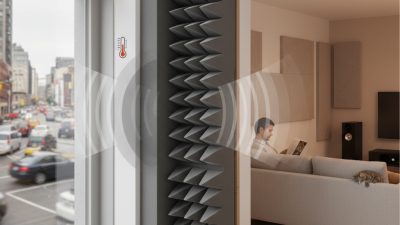
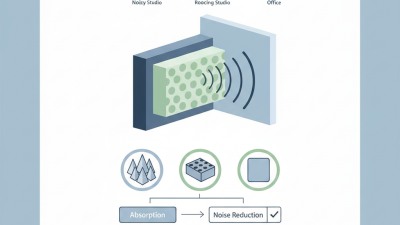
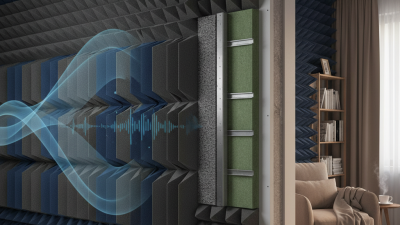
Sound insulation foam is a crucial material in our noisy world. It offers a practical solution for controlling sound and improving comfort in various spaces. Whether in homes, offices, or studios, sound insulation foam helps reduce unwanted noise. This foam absorbs sound waves, preventing them from bouncing around.
When installed, sound insulation foam can create a peaceful environment. Imagine a bustling city street or a loud neighborhood. Sound insulation foam can significantly dampen those distractions. However, it is not a complete sound barrier. There are limits to its effectiveness.
Some might wonder if sound insulation foam is the best option. Alternatives exist, but they can be more costly. Choosing the right sound insulation foam requires understanding its properties and intended use. A thoughtful selection process is essential for optimal results. This material can greatly enhance our daily lives when used correctly.
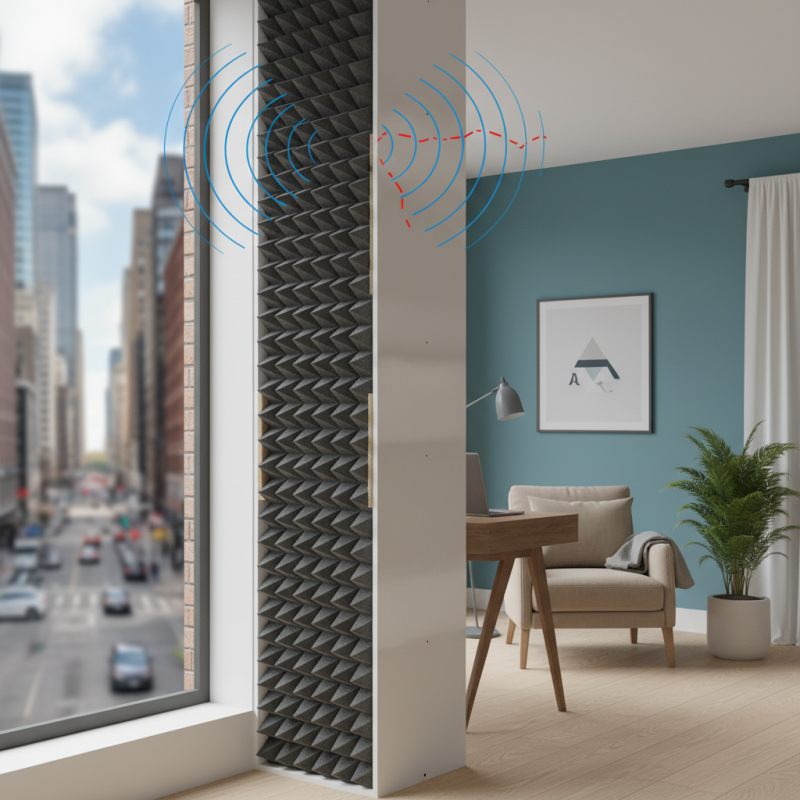
Sound insulation foam is a specialized material designed to reduce noise. It is often used in various settings, from recording studios to residential homes. Its primary purpose is to absorb sound waves, preventing them from passing through walls or ceilings.
This foam is made from materials like polyurethane or melamine. These substances are lightweight yet effective at dampening sound. When sound waves hit the foam, they lose energy, making the space quieter. Often, the foam is used in layers. This approach can create a more soundproof environment. You might see it in theaters or home offices.
However, not all sound insulation foam works equally well. Some types might be more effective in certain frequencies while failing at others. Choosing the right foam requires careful thought. Installation can also be tricky. If it isn’t fitted properly, gaps can allow sound to seep through. Every project requires attention to detail. Without it, the benefits may not be realized.
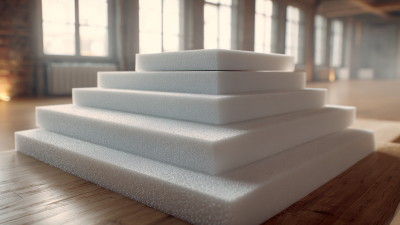
Sound insulation foam is crucial in controlling noise levels in various environments. Its effectiveness lies in its unique properties. The density of the foam is a key factor. Higher density foam typically provides better sound absorption. Industry standards often recommend foam with a density of at least 1.5 lbs per cubic foot for optimal performance.
Another important property is the foam's thickness. Thicker materials tend to block more sound. Reports suggest that a thickness of 2 inches can significantly reduce sound transmission. The sound absorption coefficient is also vital. According to data from the ASTM, a good sound insulation foam should have a coefficient of at least 0.7 at mid-frequency ranges. This means it effectively absorbs sound, reducing echo and reverberation.
However, not all foam is created equal. Some products may not meet these industry standards. Users should carefully check specifications before making purchases. There is room for improvement in understanding these properties. Many still overlook the importance of combining thickness and density to achieve desired results. It's essential to consider the specific environment where the foam will be applied for the best sound insulation outcome.
Sound insulation foam plays a crucial role in reducing unwanted noise. Its unique structure traps sound waves, diminishing their intensity. This foam consists of open or closed cells, which help absorb sound energy. When sound waves hit the foam, they create vibrations. The foam then converts these vibrations into a small amount of heat, effectively reducing noise transmission.
The effectiveness of sound insulation foam depends on various factors. The density and thickness of the material are vital. Thicker foam tends to absorb more sound. However, it can also take up more space. A balance between absorption and space is often necessary. Additionally, the installation method impacts performance. Poorly applied foam may leave gaps, allowing sound to penetrate. Attention to detail during installation can enhance its effectiveness.
Not every space needs the same solution. Different environments may require trial and error to find the right type of foam. For instance, a home theater may benefit from specialized foam, while a studio might need heavier options. Reflecting on these specific needs can ensure better sound insulation outcomes.
| Dimension | Description |
|---|---|
| Material Type | Polyurethane, Melamine |
| Thickness | 1 inch, 2 inches, 4 inches |
| NRC Rating | 0.5, 0.75, 1.0 |
| Installation Type | Adhesive-backed, Snap-fit, Free-standing |
| Applications | Home theaters, Recording studios, Conference rooms |
| Performance | Reduces echo, Blocks noise transmission, Improved acoustics |
Sound insulation foam plays a significant role across various industries. In construction, it helps to reduce noise between rooms. Many architects use it in walls and ceilings. This foam absorbs sound waves effectively, creating a quieter environment. It’s crucial for multi-family homes or office buildings.
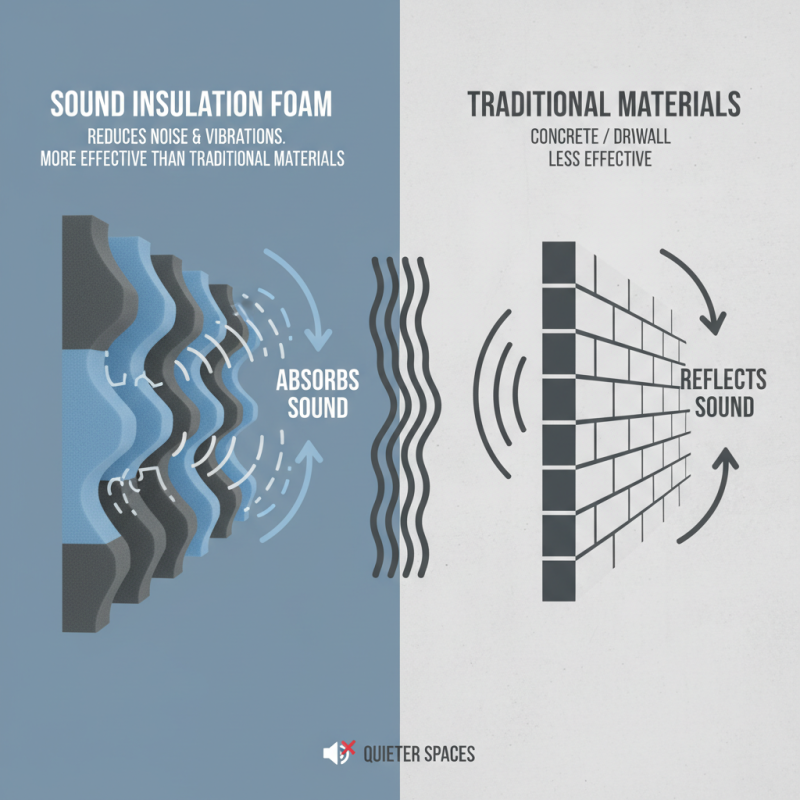
Sound insulation foam is designed to reduce noise pollution. It absorbs sound waves and decreases vibrations in a space. This material often works better than traditional options. For example, concrete or drywall may offer some sound reduction, but they are not always effective. They can reflect sound instead of absorbing it.
Comparatively, sound insulation foam is lightweight. It can be easily installed in various locations. Compared to metal barriers, it is also less expensive. This foam provides excellent acoustic performance in homes, studios, and theaters. However, it can sometimes break down over time. Environmental factors like humidity can affect its lifespan.
While effective, sound insulation foam may not be a one-size-fits-all solution. For very loud environments, multiple layers of different materials might be needed. Relying solely on foam can lead to gaps in soundproofing. Understanding the limitations of each material is key to achieving the best results.
Scan QR code to download the app
LSP Products was founded by plumbers over 50 years ago with a focus on unparalleled innovation, superior product quality, and best-in-class service to the plumbing industry. Our primary focus is the new construction market where we develop products that make installations easy and provide significant cost savings to the plumbing/mechanical contractor. LSP has a manufacturing facility located in Monterrey, Mexico and a distribution center in Dallas, Texas. We are proud to offer many products designed and made in North America… About LSP
Submit the form below to receive the document via email.