When it comes to enhancing energy efficiency in homes,
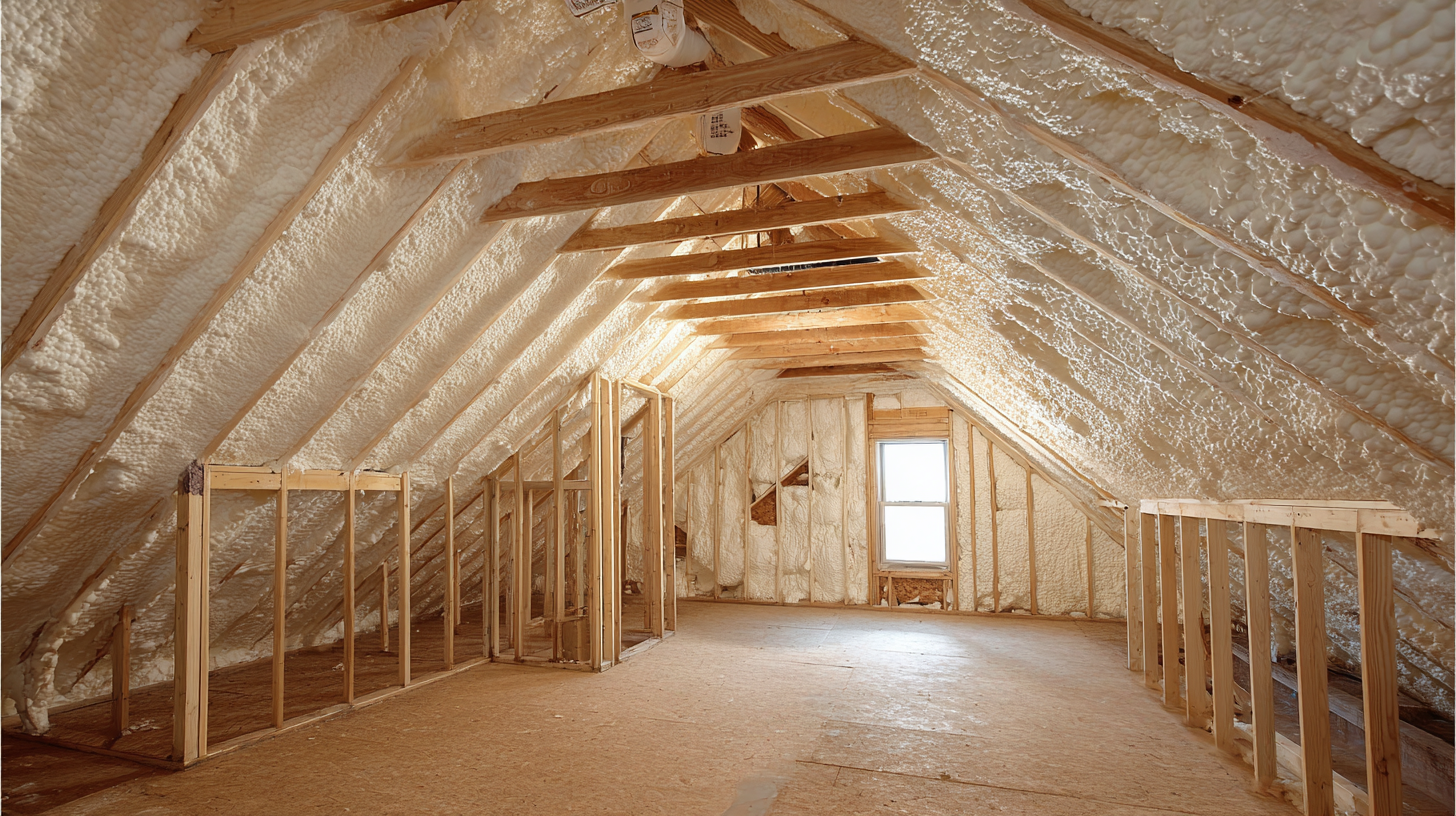
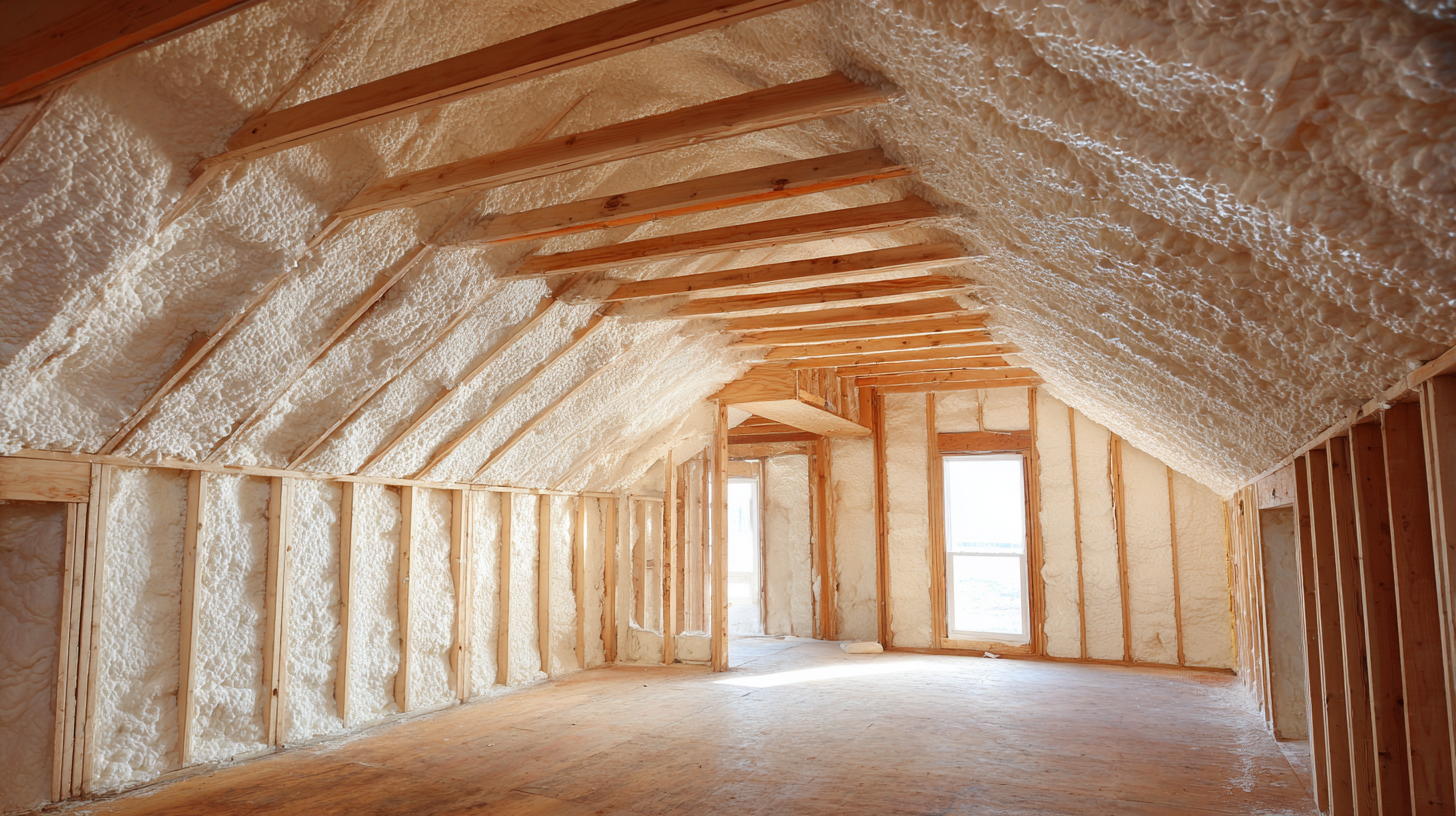
spray foam attic insulation has emerged as a leading solution
due to its exceptional performance and versatility. According to the Department of Energy, properly insulated attics
can save homeowners up to 30% on their energy bills, highlighting the critical role of
insulation in maintaining comfortable indoor temperatures. With its ability to expand and fill gaps, spray foam attic insulation
not only prevents air leaks but also provides moisture control, reducing the risk of mold growth.
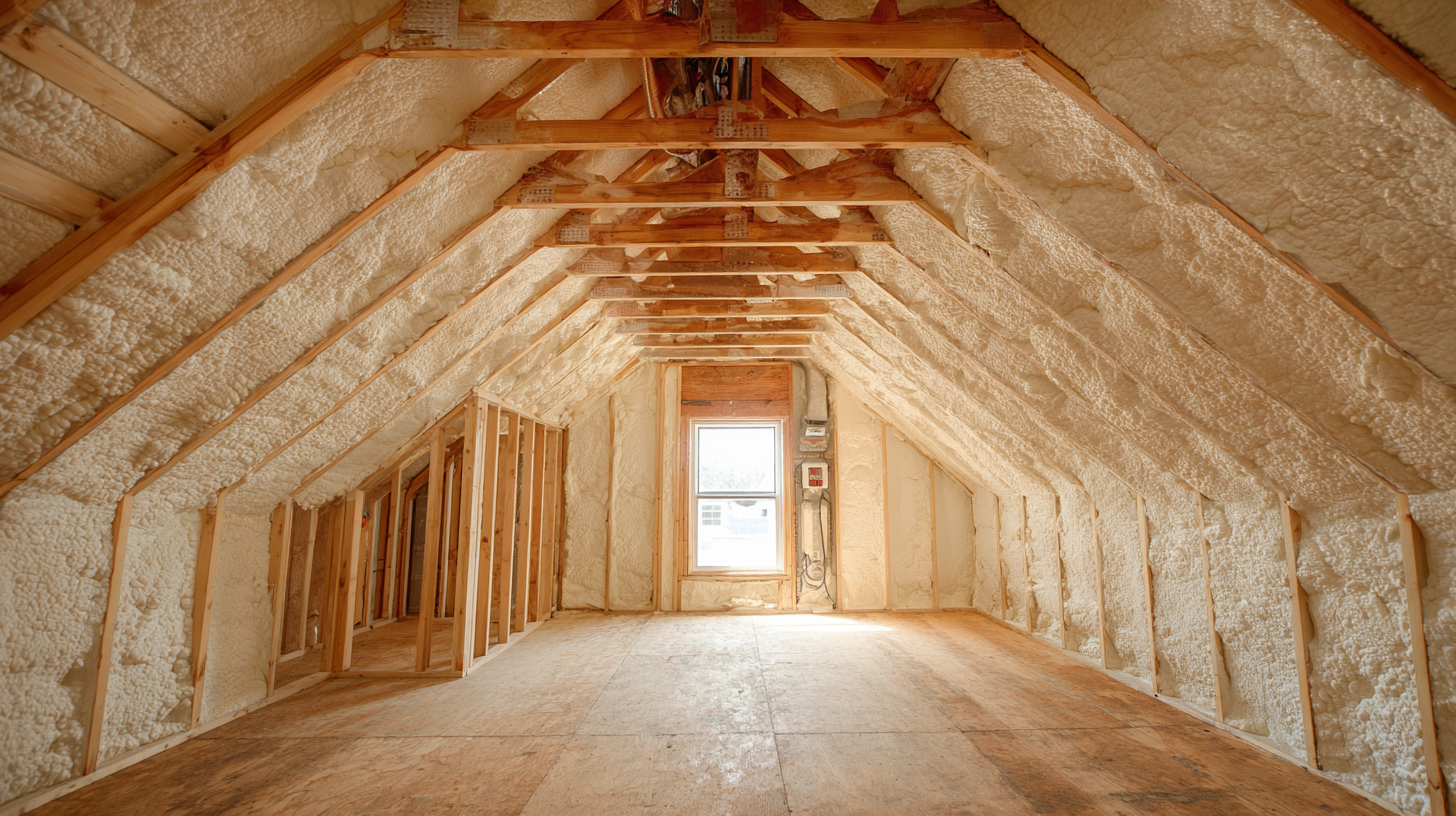
A report by the National Association of Home Builders suggests that homes equipped with spray foam insulation experience
significantly improved thermal resistance compared to traditional insulation methods.
As homeowners prioritize energy efficiency and environmental sustainability, understanding the key factors in choosing
the right spray foam attic insulation becomes essential for maximizing both cost savings and comfort.
When it comes to choosing spray foam insulation for your attic, understanding the different types of spray foam is crucial. There are primarily two types of spray foam insulation: open-cell and closed-cell.
Open-cell spray foam is lighter and less dense, offering better soundproofing capabilities and is generally less expensive. However, it has a lower R-value, typically around 3.5 to 4 per inch. According to the U.S. Department of Energy, the recommended R-value for attics can range from R-30 to R-60, depending on your climate, making closed-cell foam a better choice in many situations despite its higher cost.
Closed-cell spray foam, on the other hand, boasts a higher R-value, often reaching up to 7 per inch, and provides a superior air barrier. This type of foam is also moisture-resistant, making it a valuable option in humid environments. A report published by the North American Insulation Manufacturers Association reveals that homes insulated with high-performance spray foam can experience energy savings of up to 50% on heating and cooling costs, highlighting the effectiveness of these materials. Therefore, weighing the properties of each type against your specific needs is essential to achieving optimal energy efficiency and comfort in your attic space.
When evaluating the efficiency of spray foam attic insulation, one of the crucial metrics to consider is the R-value. The R-value measures an insulation material's resistance to heat flow; the higher the R-value, the better the insulation's effectiveness. For spray foam, typical R-values range from R-3.5 to R-6.5 per inch, making it one of the most efficient insulation options available. According to the U.S. Department of Energy, homes with proper insulation can save up to 20% on heating and cooling costs, highlighting the importance of selecting the right R-value for your specific climate and energy needs.
When choosing spray foam insulation, here are a couple of essential tips to consider: First, assess your local climate. Homes in colder regions may require higher R-values to maintain energy efficiency and comfort. If you live in warmer areas, moderate insulation may suffice but don’t overlook the possibility of temperature extremes. Second, consult with a professional to determine the correct thickness of foam needed, as building codes often dictate minimum insulation requirements based on local conditions. Balancing these factors will help you select the most effective spray foam insulation for your attic.
When considering spray foam attic insulation, it's crucial to analyze the cost versus the value it brings to your home. While the initial investment may be higher than traditional insulation methods, spray foam offers exceptional energy efficiency and can lead to significant long-term savings on utility bills. Additionally, its superior air sealing capabilities enhance your home's comfort by reducing drafts and maintaining consistent temperatures.
One essential tip for budgeting is to obtain multiple quotes from contractors. This allows you to compare pricing and service offerings. Be sure to ask about the types of spray foam they use, as the quality can significantly affect both performance and cost. Another tip is to factor in any available rebates or tax incentives, which can help offset initial expenses and make the investment more palatable.
Lastly, consider the long-term benefits of spray foam insulation. While it might seem pricey upfront, the enhanced insulation can increase your home’s resale value and reduce your heating and cooling costs over time. By carefully weighing these aspects, you can make an informed decision that aligns with your budget while enhancing your home's efficiency and comfort.
When considering the installation of spray foam attic insulation, one of the most critical decisions homeowners face is whether to tackle the project themselves or hire professional services. According to a report by the U.S. Department of Energy, proper insulation can reduce heating and cooling costs by 30% or more, highlighting the importance of quality installation. DIY installation might appear cost-effective, but it requires not only the right materials but also a thorough understanding of air sealing techniques to maximize efficiency.
On the other hand, professional services often bring expertise that can guarantee better results. A study from the National Association of Home Builders indicates that professional installations tend to have a higher performance rating compared to DIY efforts, primarily due to the precision and experience of trained contractors. Moreover, many manufacturers provide warranties for professionally installed insulation, giving homeowners additional peace of mind. When deciding between DIY and professional installation for spray foam attic insulation, it's crucial to weigh the potential cost savings against the quality and guarantees of the work performed.
| Criteria | DIY Method | Professional Service |
|---|---|---|
| Cost | Lower initial cost, but potential for mistakes | Higher upfront cost, but typically more efficient |
| Installation Time | Can take longer due to inexperience | Generally quicker due to expertise |
| Quality of Work | Varies greatly depending on skill | Consistent and reliable quality |
| Required Equipment | May need to rent or purchase equipment | All necessary equipment included |
| Safety Considerations | Higher risk if not following protocols | Professionals follow safety regulations |
When selecting spray foam attic insulation, considering eco-friendly options is crucial for minimizing environmental impact. Many traditional spray foams contain harmful chemicals that can affect both indoor air quality and the planet. By opting for environmentally friendly alternatives, you not only create a safer home environment but also contribute to the larger goal of sustainability.
One essential tip is to look for spray foams that are labeled as low or zero VOC (volatile organic compounds). These products emit fewer harmful gases into your living space and the atmosphere. Additionally, choose options made from renewable or recycled materials, as they typically have a smaller carbon footprint.
Another tip is to research the manufacturer's practices. Brands that prioritize sustainability often practice responsible sourcing and use technologies that reduce waste and energy consumption during production. By prioritizing these factors, you can make a more informed decision that aligns with your environmental values while enhancing your home's insulation efficiency.
Scan QR code to download the app
LSP Products was founded by plumbers over 50 years ago with a focus on unparalleled innovation, superior product quality, and best-in-class service to the plumbing industry. Our primary focus is the new construction market where we develop products that make installations easy and provide significant cost savings to the plumbing/mechanical contractor. LSP has a manufacturing facility located in Monterrey, Mexico and a distribution center in Dallas, Texas. We are proud to offer many products designed and made in North America… About LSP
Submit the form below to receive the document via email.