How to Choose the Best Tool Holder for Your Needs?
Choosing the right Tool Holder can significantly impact your efficiency and productivity. Renowned expert in tool management, John Baker, once said, "A tool holder is not just a holder; it's a crucial part of your workflow." This highlights the importance of selecting the best tool holder for your specific needs.
Understanding your requirements is vital. Different projects call for different types of tool holders. For instance, a machinist may prefer a collet tool holder for precision work, while a woodworker might opt for a more versatile option. Assessing what you need will lead you to the right choice and increase your operational effectiveness.
Nevertheless, many still find it challenging to make the best decision. Factors like material, design, and compatibility can be overwhelming. It's essential to do your research, but sometimes overthinking can lead to confusion. Reflect on your past experiences and choose a tool holder that aligns with your workflow preferences. This process might require trial and error, but finding the right fit will ultimately pay off.
Understanding Different Types of Tool Holders Available in the Market
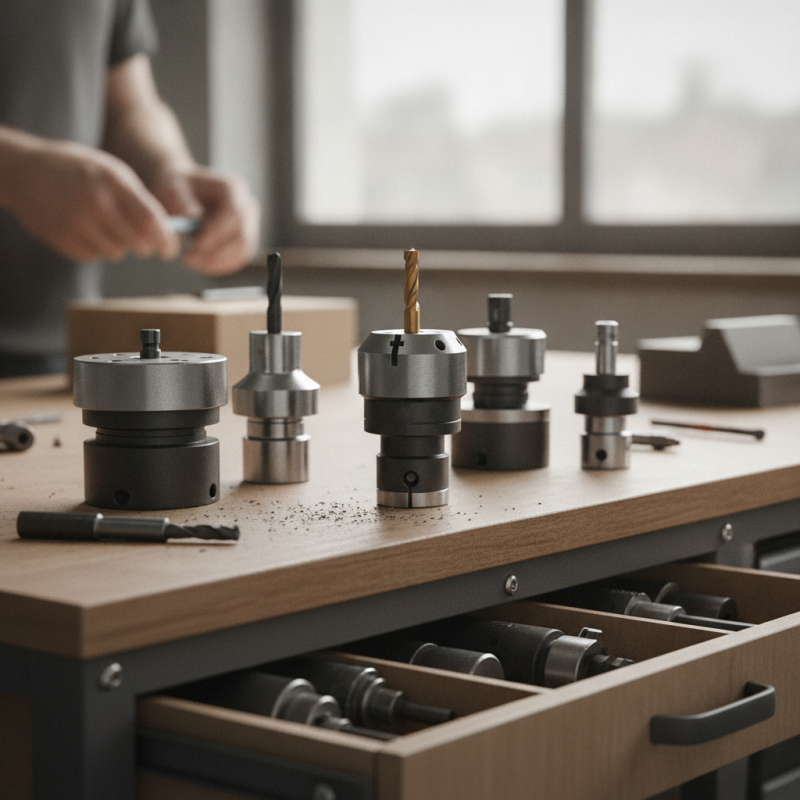
When selecting a tool holder, it's essential to understand the various types available. The market features several options, including Collet Chucks, hydraulic chucks, and end mill holders. According to industry reports, collet chucks are often favored for their precision and versatility. They can hold tools of various diameters, making them a popular choice in machining applications.
Hydraulic chucks are also gaining traction due to their superior grip on the tool. They minimize vibration, which can improve surface finish and extend tool life. Research from machining experts indicates that using hydraulic holders can enhance productivity by up to 20%. On the other hand, end mill holders offer a stable and cost-effective solution, though they may not be as precise.
**Tip:** Evaluate the materials you typically work with. Different tool holders excel with various materials, affecting tool performance and longevity.
Choosing the right tool holder may seem straightforward. However, factors like tool weight and usage frequency come into play. Some users overlook the importance of proper maintenance. A neglected tool holder can lead to inaccuracies, affecting overall operation.
**Tip:** Regularly inspect and clean your tool holders. A small effort can significantly extend their life and performance.
Factors to Consider When Selecting a Tool Holder for Your Tools
When selecting a tool holder, there are several key factors to consider. First, assess the type of tools you have. Different tools require specific holders for optimal performance. A versatile holder can adapt to various tools, but it might not suit all needs. Always match the holder to your primary tools for the best fit.
Material is another critical consideration. Tool holders made from steel or aluminum provide durability and strength. However, plastic holders are lightweight and often more affordable. Think about where you will use the holder. Will it be in a workshop or a mobile setup?
**Tips:** Check weight limits on your tool holders. Overloading them can lead to damage. Consider how often you access your tools. A design that allows easy retrieval can save time. Evaluate your workspace: a compact holder might better fit a small area, preventing clutter.
Assessing Compatibility of Tool Holders with Your Machinery
When selecting a tool holder, compatibility with your machinery is critical. A tool holder that fits your machine perfectly can enhance performance. Assess the specifications of your machinery carefully. This includes checking spindle sizes, taper types, and tool shank dimensions. You want to avoid scenarios where a tool holder is too loose or too tight. This mismatch can lead to tool vibrations and poor cutting quality.
Consider the materials used in your tool holder as well. For heavier machining tasks, a sturdier holder may be necessary. Various materials offer different strength and durability characteristics. For example, a tool holder made of high-carbon steel may perform better under extreme conditions. Maintenance should also be a focus. Some holders require more upkeep than others. Make sure you’re prepared for the level of care needed.
It’s important to reflect on how your choice impacts productivity. An ill-fitting tool holder can cause delays and reduce your output quality. Sometimes compromises on price lead to issues, compromising performance. Think about your long-term needs, not just immediate savings. Each decision shapes your machining success, and careful evaluation can lead you to a more informed choice.
Evaluating Material and Durability of Tool Holders
When selecting a tool holder, evaluating the material and durability is crucial. Different materials offer varied strengths and weaknesses. Steel is a common choice due to its toughness and resistance to wear. A recent report by the Machinery Manufacturing Association noted that tool holders made from high-speed steel last up to 30% longer than standard options. However, they may not always be ideal for every environment.
Aluminum, although lighter, can be more susceptible to deformation under stress. In a study by the Tool Holders Institute, it was found that aluminum tool holders retain precision but can lose their integrity over time when subjected to extreme conditions. This highlights the importance of considering the specific use case for your tool holder.
Moreover, durability metrics should not be overlooked. Pressure and load-bearing capabilities are critical. Tool holders that meet certain industry standards substantially reduce the risk of failure. The American National Standards Institute (ANSI) sets these benchmarks to ensure reliability. Choosing tool holders based solely on brand reputation might overlook these essential factors. Evaluating material quality and durability could lead to more informed decisions.
Cost vs. Quality: Finding the Right Balance for Tool Holders
When selecting a tool holder, balancing cost and quality is essential. High-quality tool holders often boast durability and precision. They withstand wear and tear, ensuring longevity. However, premium options might come with a hefty price tag. This often leads buyers to seek cheaper alternatives that may compromise performance.
Consider your specific needs. If your work demands high accuracy, investing in quality might be wise. A lower-cost option might save money initially but could lead to more replacements. This trade-off is crucial. Weigh the longevity and reliability against your budget.
Seek out user reviews. Peer recommendations offer valuable insights. Sometimes, the lowest-priced item can underperform. It's vital to evaluate warranty options, as they indicate the manufacturer's confidence. Invest time in research. Dive into specifications and user experiences. The right tool holder is an investment that should meet your demands, even if it requires careful consideration.

 Skip to main content