How to Choose the Best Modular Trade Show Booth

Choosing the right Modular Trade Show Booth can shape how visitors experience your brand before a conversation begins. A strong booth should fit your space, campaign goals, staff needs, and budget without creating unnecessary complexity. Experienced exhibitors know that attractive graphics alone rarely solve practical problems. The structure must also support quick assembly, safe storage, clear product displays, and comfortable movement around the stand.

Professional planning starts with measurable details. Check the venue’s floor dimensions, height limits, lighting rules, electrical access, and installation schedule. A 10-by-20-foot space may look generous on paper, yet product samples, counters, screens, and seating can quickly consume it. Materials matter too. Aluminum frames are lightweight and reusable, while durable fabric graphics can reduce replacement costs across several events. Ask suppliers for documented specifications, realistic production timelines, warranty terms, and examples of completed installations. Reliable evidence is more useful than attractive promises.

Keep the visitor journey visible. Can someone understand your offer within five seconds? Can two staff members speak with guests without blocking the aisle? Small details often decide whether the booth feels inviting or crowded. A quiet meeting corner may improve privacy, but it can also hide your team from passing visitors. That trade-off deserves honest review. Not every modular system is ideal for every exhibition. The best choice balances appearance, flexibility, transport, maintenance, and future expansion, while leaving room to adjust when real event conditions prove your original plan imperfect.
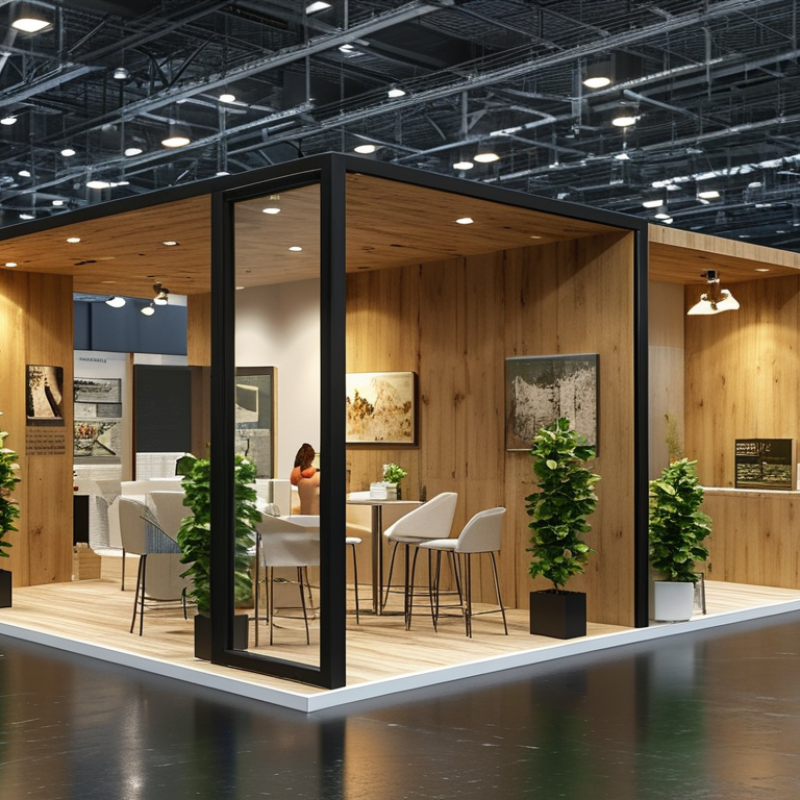
How to Choose the Best Modular Trade Show Booth

Define Booth Objectives and Space: 10×10, 10×20, or 20×20 Feet

How to Choose the Best Modular Trade Show Booth

Define your objective before selecting a modular booth. A 10×10-foot space suits one product story and two staff members. It can include a back wall, counter, monitor, and a small storage cabinet. A 10×20-foot booth creates space for demonstrations, conversations, and clearer visitor flow. A 20×20-foot footprint supports several product zones, meeting areas, and stronger overhead visibility. Bigger is not automatically better.

CEIR reports that 92% of exhibition attendees seek new products or services. That finding supports a practical design choice: make discovery quick. In a 10×10 space, show one hero product at eye level. In a 10×20 space, separate demonstration and discussion areas. In a 20×20 booth, add a quiet meeting corner without blocking the aisle. UFI’s Global Exhibition Barometer also tracks continued investment in face-to-face events, but budgets remain uneven across markets. Your booth should therefore be reusable, not merely impressive once.

Tips: Sketch the visitor path with tape before production. Keep at least one open side where possible. Place storage behind the graphic wall. Count chairs, screens, cases, and staff bodies. The drawing may look perfect. Reality will be tighter. Allow extra space for queues, cables, and late changes. A useful test is simple: can a visitor understand your offer within five seconds? If not, reduce the message, not the floor plan. (Sources: CEIR, The Role and Value of Face-to-Face; UFI, Global Exhibition Barometer.)
Compare Modular Materials, Weight, and Reusability Across Multiple Shows

How to Choose the Best Modular Trade Show Booth

A modular booth should survive more than one impressive opening day. The Center for Exhibition Industry Research reports that 81% of business-to-business exhibition attendees influence purchasing decisions. That makes stability, visibility, and fast assembly practical business concerns. Aluminum frames usually offer a strong balance between weight and repeated use. Fabric graphics reduce packed volume, while rigid panels create sharper architectural details. However, rigid construction often increases shipping weight and handling costs.

Check the numbers before approving a design. A medium aluminum-and-fabric system may weigh roughly 150 to 350 pounds, depending on lighting, counters, storage, and flooring. Actual specifications vary. Ask for packed dimensions, replacement-part costs, and assembly time. A booth that needs four people and two hours may become expensive across six shows. Freeman’s 2024 Attendee Intent and Engagement Study also reinforces the value of live experiences, but engagement suffers when installation problems consume the first morning.

Reusability depends on more than durable materials. Select graphics with replaceable panels, tool-light connections, and adjustable layouts. Measure how often the booth can adapt from a 10-by-20-foot space to a smaller footprint. That flexibility matters when event calendars change. The UFI Global Exhibition Barometer consistently tracks uneven exhibition conditions across regions, so planning for different venues is sensible. I have found that the lightest option is not always the smartest one. It can feel economical until damaged parts, rushed labor, and extra freight appear. A simple spreadsheet comparing weight, reuse cycles, storage volume, and labor usually exposes those weaknesses.

How to Choose the Best Modular Trade Show Booth: Comparing Materials, Weight, and Reusability Across Multiple Shows

Modular Booth Material Typical Construction Approximate Weight for a 10 ft × 10 ft Booth Visual Finish and Graphic Options Packing and Transportation Typical Reuse Potential Best Use Across Multiple Shows
Aluminum Frame with Tension Fabric Lightweight extruded aluminum tube frame covered with dye-sublimated polyester fabric graphics. Approximately 35–75 kg Seamless graphics, strong color reproduction, curved or straight profiles, and replaceable fabric skins. Usually packs into fabric bags or compact wheeled cases; suitable for parcel or air freight depending on the design. High: commonly 20+ shows with proper handling Frequent exhibitors seeking low shipping volume, fast setup, and graphics that can be updated without replacing the frame.
Aluminum Extrusion System with Rigid Panels Reusable aluminum profiles joined with connectors and fitted with infill panels made from composite board, acrylic, or printed sheet material. Approximately 80–180 kg Clean architectural appearance, backlit sections, shelves, counters, and integrated product displays. Ships in multiple cases or crates; heavier than fabric systems but generally more compact than timber construction. Very high: often 20–50+ shows Long-term programs that use the same structural system while changing layouts, graphics, or branded panels between events.
Modular Lightbox System Aluminum frame combined with LED modules and silicone-edged fabric graphics. Approximately 50–110 kg Bright backlit graphics with high visual impact; fabric graphics can be replaced for different campaigns. Requires protective cases for LED components and frames; moderate transport complexity. High: commonly 15–30 shows Brands that need strong visibility in large halls or dim exhibition environments and plan to reuse the lighting hardware.
Honeycomb Cardboard Panels with Reusable Frame Paper-based honeycomb core panels mounted within a reusable aluminum or lightweight structural frame. Approximately 45–100 kg Flat printed surfaces with a rigid appearance; suitable for walls, headers, counters, and graphic partitions. Low panel weight, but panels need protection from moisture, crushing, and rough handling during transport. Moderate to high: about 5–15 shows Exhibitors prioritizing lower material weight and reduced use of solid plastics, especially for controlled domestic transport.
Plywood or MDF Modular Panels Painted, laminated, or printed wood-based panels assembled with reusable hardware and structural components. Approximately 180–350 kg Solid, premium appearance with strong support for shelving, storage, mounted screens, and heavy products. Bulky and labor-intensive to transport; usually requires crates, pallets, or dedicated freight handling. High: often 15–30 shows Large exhibits with heavy merchandise, extensive storage, or a high-end architectural design that will be used repeatedly.
Polycarbonate or Acrylic Modular Panels Transparent, translucent, or colored thermoplastic panels mounted in a reusable metal or aluminum framework. Approximately 70–160 kg Modern transparent or illuminated appearance; can create partitions, showcases, shelves, and decorative surfaces. Moderate weight; panels require scratch-resistant protective packaging and careful handling. Moderate to high: about 10–25 shows Technology, design, and product-display booths that benefit from transparency, light diffusion, or a contemporary visual style.
Reusable Tension-Fabric Pop-Up Frame Collapsible scissor-style frame with stretch fabric graphics, often combined with lightweight shelves or counters. Approximately 25–60 kg Fast graphic installation, mostly seamless fabric coverage, and limited three-dimensional detailing. Highly portable; commonly transported in wheeled cases and assembled without specialist tools. Moderate: commonly 10–20 shows Smaller exhibits, regional events, roadshows, and teams that need quick setup with minimal labor and storage space.

Planning note: Weight and reuse figures are typical planning ranges for a complete 10 ft × 10 ft exhibit and can vary with flooring, lighting, counters, monitors, shipping cases, graphics, and storage components. Actual service life depends on material quality, assembly frequency, transport conditions, and maintenance.

Set a Budget for Hardware, Graphics, Shipping, Labor, and Storage Costs

How to Choose the Best Modular Trade Show Booth

A modular booth is more than a hardware purchase. Your budget should cover graphics, freight, labor, and storage. CEIR’s 2018 U.S. Economic Impact study estimated that business exhibitions generated $97.3 billion in direct spending. That scale shows why small planning errors can become expensive quickly.

Hardware usually takes the largest visible share, but graphics affect the booth’s message and reuse value. Choose lightweight panels, replaceable fabric graphics, and tool-free frames when possible. Ask for a complete quote. It should include packing, drayage, installation, dismantling, and taxes. Shipping costs can change sharply with dimensions, delivery dates, and union labor rules. A compact crate may save more than a cheaper frame.

Storage is often forgotten. It should not be.

Tips: Build a five-line budget: hardware, graphics, shipping, labor, and storage. Add a 10–15% contingency for damaged parts, overtime, or last-minute changes. Keep a spreadsheet with crate dimensions and total weight. The UFI Global Barometer consistently tracks rising exhibition operating pressures, so review costs after every event. I have seen teams overinvest in appearance and underfund logistics. The booth looked excellent. The schedule did not. Use three-year estimates, not only the first-event price. A modular system is valuable only when its parts remain useful across venues, floor plans, and campaigns.

Check Venue Rules for Height, Fire Ratings, Lighting, and Electrical Loads

How to Choose the Best Modular Trade Show Booth

A modular booth should fit the venue before it fits your design plan. Request the current exhibitor manual and mark every height limit, setback, and ceiling obstruction. Some halls allow taller structures only in selected zones. Others require advance approval for overhead elements. Measure the actual floor space, not just the space shown on a sales diagram. A small error can block aisles or interfere with sprinkler coverage.

Fire safety deserves equal attention. Ask for flame-spread ratings and certificates for fabric, panels, flooring, and printed graphics. Requirements may differ between countries, venues, and event areas. Keep digital and printed copies available for inspection. I have seen attractive booth plans delayed because one fabric certificate was missing. That mistake was avoidable. It also changed the installation schedule.

Lighting and electrical loads need practical calculations. List every lamp, screen, charger, and appliance, then record its wattage. Add a reasonable safety margin instead of using the exact total. Confirm the venue’s voltage, available circuits, outlet locations, and connection fees in writing. Hot spotlights can damage graphics or create uncomfortable temperatures inside a small booth. Choose efficient fixtures, protect cables with approved covers, and use a qualified technician where venue rules require one. Leave room for changes. Product displays often grow during planning, and the original power estimate may become incomplete.

Measure ROI with Leads, Qualified Meetings, Conversion Rate, and Cost per Lead

How to Choose the Best Modular Trade Show Booth

A modular booth should support measurable sales activity, not only attractive graphics. Before choosing a layout, define the expected number of leads, qualified meetings, and sales opportunities. A 10-by-20-foot space may include a reception counter, two meeting areas, and a product demonstration wall. Each element should help visitors engage or move toward a conversation.

Track every badge scan with a simple lead classification system. Record job role, buying timeline, project value, and follow-up status. A large lead count can look impressive but reveal little. Qualified meetings matter more when decision-makers attend and discuss a real business need. After the event, calculate the conversion rate from qualified meetings to proposals, then from proposals to closed deals. Keep the definitions consistent across every show.

Cost per lead should include booth rental, graphics, shipping, labor, travel, software, and follow-up time. For example, spending $18,000 and collecting 120 leads creates a $150 cost per lead. That figure may still be weak if only eight leads are qualified. Review the numbers after 30, 60, and 90 days. Attribution is imperfect. Some prospects need several conversations before converting. I once treated every scan as valuable, and the report looked better than reality. A modular booth can improve future ROI when its design, staffing, and data collection are adjusted from those uncomfortable findings.

How to Choose the Best Modular Trade Show Booth

Compare booth formats by lead volume, qualified meetings, conversion rate, and cost per lead to identify the strongest ROI.

Larger modular booths can increase visibility and lead volume, but the best option is the one that produces more qualified meetings and conversions at an efficient cost per lead.

LSP App

Download the LSP App now

Scan QR code to download the app

We use cookies to personalize content, utilize website traffic analytics & support our marketing initiatives. By continuing to browse our site you consent to receive our cookies. For more information see our Privacy Statement
Ok