Choosing a 29inch MTB electric bike is about more than bigger wheels or a powerful motor. The right setup should feel steady on loose gravel, manageable on steep climbs, and comfortable after an hour in the saddle. Small details matter: frame reach, battery placement, tire width, and brake performance can change how the bike handles. Fit comes first.
Demand has grown quickly. The NPD Group reported that U.S. electric-bike sales rose 145% in 2020 compared with 2019. That figure reflects a market surge, not a guarantee that every model is dependable or suited to mountain trails. Sales data cannot tell you how a bike climbs, how far its battery lasts in cold weather, or whether its suspension matches your terrain. Test rides and clear component specifications still matter.
This guide presents seven practical tips for comparing wheel fit, motor support, battery capacity, suspension, brakes, weight, and after-sales service. Check the manufacturer’s stated range carefully; rider weight, hills, temperature, and assist level can all reduce it. A large battery is useful, but it also adds weight. Not always. If possible, ride the bike on a short climb and a rough path before deciding. Compare warranty terms and replacement-part availability, too. One limitation is easy to overlook: a 29-inch wheel can roll smoothly over obstacles, yet the larger frame may not suit every rider. The best choice is the one that fits your body, routes, and real-world expectations.
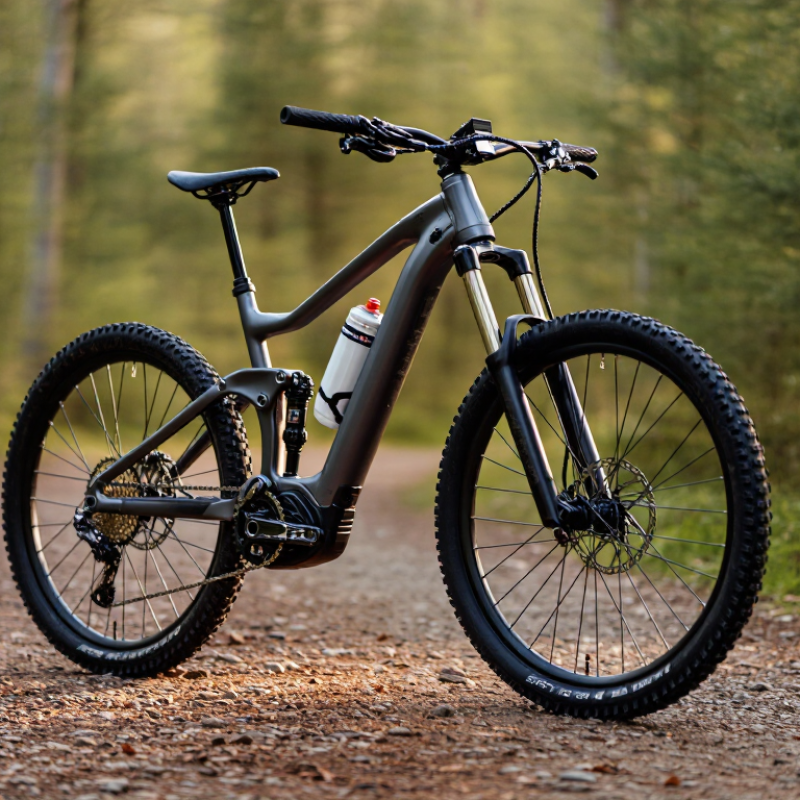
A 29-inch MTB electric bike rolls smoothly over roots, stones, and uneven forest paths. Its large wheels improve stability, but they can feel slower during tight turns. Check the frame size carefully. A tall wheel does not guarantee a comfortable riding position.
Tip: Compare motor torque, not only motor wattage. Torque affects hill climbing and starts on loose ground. For mixed trails, moderate torque often feels easier to control. Test the assistance levels if possible. Some systems respond too sharply. I once underestimated this detail, and slow corners became awkward.
Tip: Read the battery specification in watt-hours, not just amp-hours. A 500 Wh battery may suit regular trail rides, but cold weather, rider weight, and steep climbs reduce range. Battery placement also matters. A low, centered battery improves balance. The bike may still feel heavy when lifting it over a gate.
Tip: Inspect the suspension travel, tire width, and brake size together. Front suspension helps absorb small impacts, while stronger hydraulic brakes improve control on descents. Wider tires add grip but increase rolling resistance. Look for sealed electrical connectors and a clear display. Reliable documentation should state charging times, component limits, and service requirements. These details seem minor until a wet ride exposes weak protection.
| Tip | Specification to Check | Useful Reference | Why It Matters |
|---|---|---|---|
| 1. Confirm the wheel standard | Wheel diameter and tire clearance | “29-inch” mountain-bike wheels generally use a 622 mm bead-seat diameter. Common tire widths are approximately 2.2–2.6 inches, subject to frame and fork clearance. | Wheel size alone does not guarantee that a particular tire will fit. Check the manufacturer’s stated maximum tire width and leave room for mud and debris. |
| 2. Match the motor to your local rules and riding | Rated power, assistance limit, and torque | Many pedal-assist systems are rated around 250 W in regions where that is a common legal limit. Torque figures around 50–85 Nm are common across many e-MTB systems; local rules vary. | Rated power and permitted assistance differ by country or region. Check local regulations, and consider torque alongside gearing, rider weight, and terrain. |
| 3. Choose battery capacity for your routes | Battery energy in watt-hours (Wh) | Many e-MTB batteries fall in the approximate 500–750 Wh range. | More watt-hours can support longer rides, but actual range depends on elevation, assist level, temperature, rider and cargo weight, tire choice, and terrain. Treat advertised range as an estimate. |
| 4. Select suspension travel for the terrain | Fork and rear-suspension travel | About 120–160 mm is common on trail-oriented full-suspension e-MTBs; cross-country models may use less, while rough-terrain bikes may use more. | More travel can improve control on rough descents, while less travel may feel more efficient on smoother routes. Compare the complete bike category with the trails you ride. |
| 5. Check braking capacity | Brake type, rotor diameter, and pad availability | Hydraulic disc brakes are common on e-MTBs. Rotor sizes such as 180 mm and 203 mm are widely used, with larger rotors often suited to greater heat loads. | Bike, rider, and cargo weight can increase braking demands. Confirm rotor limits for the frame and fork, and check that replacement pads are readily available. |
| 6. Compare total weight and carrying limits | Bike weight and maximum permitted system weight | Many adult e-MTBs weigh roughly 22–28 kg, although the exact figure varies by frame, battery, motor, and equipment. | Weight affects handling, transport, and how easy the bike is to lift. Check the stated maximum system weight, which usually includes the rider, bike, and carried items. |
| 7. Prioritize fit and serviceability | Frame size, geometry, battery access, and service support | Use the maker’s size chart as a starting point; test ride when possible. Check warranty terms, battery replacement options, and access to qualified motor and suspension service. | A suitable fit improves comfort and control. Long-term support matters because batteries, motors, and suspension components may require inspection, repair, or replacement. |
Matching wheel size with frame geometry matters more than the wheel label. ISO 5775 identifies the common 29-inch rim as 622 mm, but tire width changes the final diameter. Larger wheels roll smoothly over roots and loose gravel. They also need more space around the fork and frame. Measure your inseam, stand-over clearance, and storage doorway before buying. A 29-inch wheel may feel slow in tight, rocky turns.
Check reach, stack, head-tube angle, seat angle, and chainstay length. Shorter reach gives easier control on steep trails. Longer reach can improve stability at speed. A slacker head angle helps descending, while a steeper angle feels sharper on climbs. Test the bike with the motor and battery installed. Their weight changes steering and braking. Keep your elbows slightly bent. If your shoulders feel stretched after ten minutes, the geometry is probably wrong.
PeopleForBikes’ 2023 market analysis placed U.S. e-bike sales above one million units in 2022. The NPD Group also reported a 145% rise in e-bike dollar sales during 2020. More riders now face confusing size choices. Do not trust a size chart alone. Ride the bike over a curb, brake hard, and pedal uphill. I once preferred a larger frame for stability, then regretted it on narrow switchbacks. Personal fit is imperfect. Your usual terrain should decide.
7 Tips for Choosing a 29 Inch MTB Electric Bike
Motor power should match your terrain, not marketing claims. A 250W nominal motor suits many legal trail systems, while higher output helps on steep gravel climbs. Tip 1: Check continuous power, peak torque, and climbing support together. Tip 2: Look for at least 60 Nm of torque for demanding hills. The European Bicycle Industry and Market Profile 2023 reported that electric bicycles represented a major share of European bicycle sales. This growth makes honest performance testing increasingly important. My practical mistake was trusting peak wattage alone. It felt impressive briefly, but sustained climbing exposed weak cooling.
Battery range needs realistic calculation. A 500Wh battery may deliver 40 to 90 kilometers, depending on rider weight, tire pressure, temperature, and assistance level. Tip 3: Compare watt-hours, not only amp-hours. Tip 4: Choose removable batteries for easier indoor charging. The U.S. Department of Energy notes that cold temperatures reduce lithium-ion battery performance. Expect less range in winter. Tip 5: Ask whether the quoted range uses laboratory or real-road conditions.
Charging performance affects daily convenience. A 2A charger may need roughly six hours for a 500Wh battery, while a 4A charger can shorten that time. Tip 6: Confirm the charger’s output and battery-management protections. Tip 7: Check charge cycles and replacement costs before purchase. UL safety guidance emphasizes certified charging systems and temperature controls. A fast charger sounds useful, but excessive heat can reduce long-term battery life. Slower charging may be wiser overnight.
Compare representative 29-inch MTB electric-bike configurations by motor power, battery capacity, estimated range, and full-charge time. Actual results vary with terrain, rider weight, assist level, temperature, and tire pressure.
How to read the chart: Higher motor power can improve climbing performance, while a larger battery generally supports longer rides. Charging time depends on battery size and charger output, so balance range requirements with convenient recharging.
Choosing a 29-inch MTB electric bike begins with control, not wheel size. On a test ride, watch the fork compress over roots and rebound without bouncing. Adjustable preload helps different rider weights, but a stiff fork can still feel harsh. Look for suitable travel, sealed moving parts, and a lockout for paved climbs. I once trusted a long-travel fork too quickly; it made slow steering feel awkward. Real comfort matters more than impressive numbers.
Tip: Press the front brake while stationary. Excessive dive may indicate poor setup or limited control. Brakes deserve careful checking because electric assistance adds speed and weight. Hydraulic discs usually offer smoother modulation, while larger rotors can manage heat during descents. Squeeze both levers gradually. They should feel firm, not spongy. Gearing should help you climb without grinding your knees or overloading the motor. Test the easiest gear under light pressure.
Tip: Try one controlled emergency stop. Keep your fingers ready, and see whether the rear wheel stays planted. Overall ride control comes from the frame, tires, cockpit, and assistance system working together. A 29-inch wheel rolls smoothly over rocks but may feel slower in tight turns. Check handlebar leverage and saddle height for quick weight shifts. Tire pressure matters greatly; too much air makes roots feel sharp. Try each assistance level, a standing climb, and a slow descent. I prefer predictable support over maximum power. My first setup was imperfect, and small pressure changes helped more than expected.
Choosing a 29-inch MTB electric bike requires more than liking its appearance. Fit affects control, comfort, and confidence on uneven trails. Check your inseam and test the standover height carefully. You should have comfortable clearance above the top tube. The handlebar should not force your shoulders too high. A 29-inch wheel rolls smoothly over roots and stones, but it may feel slower to steer for shorter riders. My own mistake was choosing wheel size before testing reach. I regretted it on tight, technical paths.
Safety deserves close inspection. Strong hydraulic or mechanical disc brakes should stop the bike smoothly without excessive lever pressure. Check for brake cutoff sensors, bright lights, reflectors, and a clearly visible battery charge display. The battery enclosure should resist dust and water during ordinary trail use. Do not trust vague range claims. Rider weight, hills, temperature, and tire pressure change performance dramatically. Test the motor response at low speed. It should feel predictable, not sudden.
Maintenance needs can decide long-term value. Ask whether replacement brake pads, tires, chains, and chargers are easy to obtain. Confirm the warranty terms and local repair support before buying. Clean the drivetrain regularly, inspect spoke tension, and check tire pressure before each ride. Keep the battery dry and use only the supplied charger. Small details matter. A lower purchase price may hide expensive service delays. Still, paying more does not guarantee better reliability, so inspect the frame welds, fasteners, cable routing, and service history when possible.
Scan QR code to download the app
LSP Products was founded by plumbers over 50 years ago with a focus on unparalleled innovation, superior product quality, and best-in-class service to the plumbing industry. Our primary focus is the new construction market where we develop products that make installations easy and provide significant cost savings to the plumbing/mechanical contractor. LSP has a manufacturing facility located in Monterrey, Mexico and a distribution center in Dallas, Texas. We are proud to offer many products designed and made in North America… About LSP
Submit the form below to receive the document via email.