How to Choose 201 Stainless Steel Sheets in 2026?
Choosing 201 Stainless Steel Sheets in 2026 requires more than comparing prices or mirror-like surfaces. The grade contains less nickel than 304 stainless steel and usually relies more heavily on manganese and nitrogen. That chemistry can reduce cost, but it may also limit corrosion resistance in coastal, acidic, or frequently washed environments.
Industry data explains why careful selection matters. The World Stainless Association reported approximately 62.6 million tonnes of global crude stainless steel production in 2024, showing the sector’s continuing scale and competitive pressure. The U.S. Geological Survey’s Mineral Commodity Summaries 2025 also recorded strong global nickel production, yet nickel prices and supply conditions remain important cost variables. A cheaper sheet today may become an expensive replacement later.
Edwin Basson, Director General of worldstainless, has emphasized, “Stainless steel is a permanent material.” That principle deserves practical interpretation. A permanent material still needs the correct grade, thickness, finish, and fabrication method. Buyers should verify mill test certificates, chemical composition, ASTM A240 or equivalent compliance, surface condition, flatness, and actual service exposure. Do not trust the label alone.
Small details matter. A damp warehouse floor, chloride residue, or a scratched brushed finish can change performance. For indoor panels, kitchen equipment, decorative structures, and low-corrosion applications, 201 Stainless Steel Sheets may offer useful value. They are not a universal substitute for 304.
This guide examines grade selection, surface finishes, thickness tolerances, supplier documentation, forming behavior, and lifecycle cost. Some recommendations may need adjustment. Real projects are rarely perfect. Testing a sample in its intended environment remains the most reliable decision.
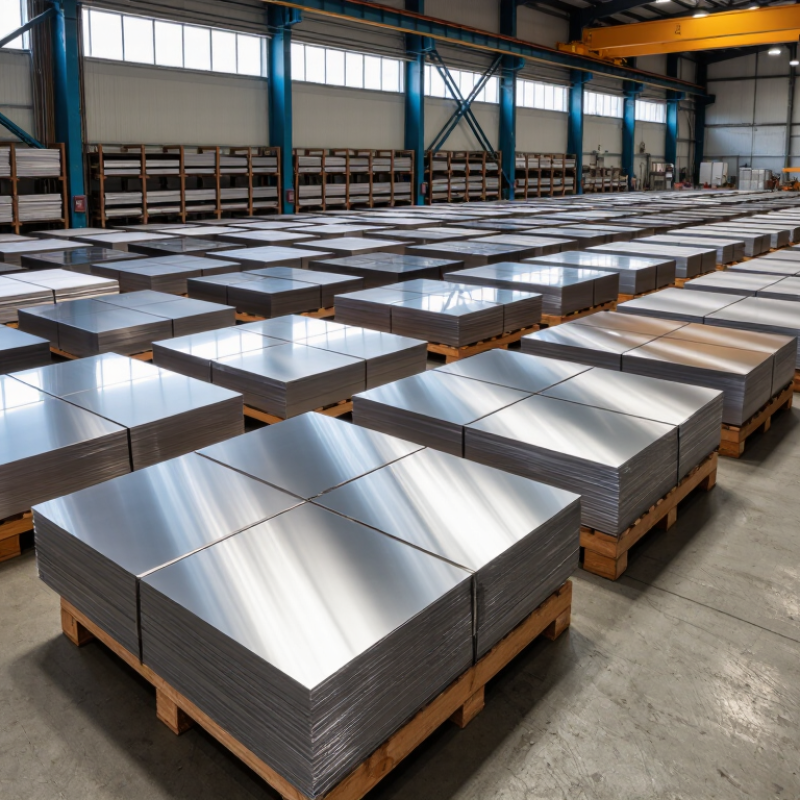
What Is 201 Stainless Steel and Where Is It Used?
How to Choose 201 Stainless Steel Sheets in 2026?
201 stainless steel is a chromium-nickel-manganese austenitic alloy. Its composition commonly includes about 16–18% chromium, 3.5–5.5% manganese, and reduced nickel content. Exact chemistry depends on the applicable standard and mill specification. It is often selected when buyers need a lower-cost sheet for indoor applications. ASTM A240/A240M remains a key reference for stainless steel plate, sheet, and strip used in pressure-related and general applications. Check the certificate, not only the grade name.
It has practical uses. Think kitchen backsplashes, sinks, appliance panels, furniture parts, elevator interiors, and decorative wall cladding. Cold working may make 201 more magnetic and harder. Its corrosion resistance is generally below 304 stainless steel, especially around salt, humidity, and acidic cleaners. Coastal projects need caution. Very high humidity can expose weaknesses.
World Stainless reported approximately 58.4 million tonnes of crude stainless steel production in 2023, showing the material’s broad industrial importance. However, this figure covers all stainless grades, not 201 alone. That distinction matters. For 2026 purchasing, compare thickness, surface finish, forming requirements, weldability, and local exposure conditions. A 2B finish suits many fabricated parts, while brushed finishes hide light scratches better. Do not choose 201 only from price. That shortcut can become expensive.
How to Choose 201 Stainless Steel Sheets in 2026?
What Is 201 Stainless Steel and Where Is It Used?
Type 201 is an austenitic stainless steel that reduces nickel by using more manganese and nitrogen. The chart shows the ASTM A240/A240M specified composition ranges or maximum limits by weight. Its typical balance of cost, formability, and corrosion resistance makes it suitable for indoor architectural panels, kitchen equipment, appliances, decorative trim, and light-duty enclosures. For marine, coastal, or chloride-rich environments, a higher-alloy stainless steel should be considered.
Which Properties Matter When Selecting 201 Stainless Steel Sheets?
How to Choose 201 Stainless Steel Sheets in 2026?
When selecting 201 stainless steel sheets, start with chemistry, not price. ASTM A240/A240M limits chromium at 16–18% and nickel at 3.5–5.5%. Manganese can reach 7.5%. This composition reduces nickel dependence, but it also limits corrosion resistance in salty or acidic environments. It is not a universal substitute for higher-nickel grades. Check the mill certificate, heat number, and actual thickness before approval. A polished surface may look excellent while hiding weak process control.
Mechanical properties matter during fabrication. ASTM A240/A240M lists a minimum tensile strength of 655 MPa for annealed Type 201 sheet. Its minimum yield strength is 275 MPa, with 40% elongation commonly specified. These figures support forming, but cold work can increase hardness and magnetism. Test samples after bending, not only before it. That practical step is often missed. Welding also deserves attention. Heat tint, distortion, and local corrosion can appear near poorly cleaned welds.
Surface finish, flatness, edge condition, and thickness tolerance affect the final product. Request inspection records, corrosion testing suited to the service environment, and clear finish definitions. The World Stainless Association reported 58.4 million tonnes of stainless crude steel production in 2023. That scale shows broad industry use, not automatic suitability. My own cautious view is simple: 201 works well for controlled indoor applications, but assumptions become expensive outdoors. Verify the environment, forming route, and maintenance plan before ordering.
How to Choose the Right Sheet Grade, Thickness, and Surface Finish
Choosing 201 stainless steel sheets in 2026 starts with the service environment. Grade 201 uses less nickel than 300-series stainless steel and more manganese. This can reduce cost, but chloride resistance is usually lower. The International Stainless Steel Forum reported 58.4 million tonnes of global crude stainless production in 2023. That scale increases supply options, not automatic quality. Request a mill test certificate and verify chemistry against ASTM A240/A240M. Do not rely on “201” alone.
Thickness should match the load, forming method, and expected distortion. A thin sheet may suit cabinet panels, trims, and indoor covers. Heavy frames need engineering checks for bending, vibration, and weld shrinkage. Ask for actual thickness tolerance, not only the nominal number. For example, a 1.0 mm sheet can behave differently after leveling or deep forming. Small details matter. I would test a sample first.
Surface finish changes appearance and maintenance. Finish 2B offers a smooth, practical surface for general fabrication. No. 4 provides visible directional brushing and can hide light scratches. BA gives a brighter appearance but may reveal fingerprints and handling marks. Finish 8 is highly reflective and demands careful packaging. Surface finish does not replace corrosion testing. ASTM G48 is designed for localized corrosion evaluation, although it may not represent every indoor application. Check weld areas separately. In real purchasing, this step is often skipped, and that is where the decision becomes weak.
How to Compare Quality, Standards, Suppliers, and Total Cost in 2026
Choosing 201 stainless steel sheets in 2026 requires more than comparing prices. In procurement practice, the lowest quotation often hides thinner gauges, weaker traceability, or higher processing waste. ASTM A240 specifies 201 chemistry, including approximately 16–18% chromium and 3.5–5.5% nickel. Verify the mill test certificate, heat number, thickness tolerance, hardness, and surface finish. Do not assume “201” means identical performance everywhere.
Standards must match the application. ASTM A240 and EN 10088-2 provide useful reference points, but their chemical and testing requirements are not always interchangeable. The International Stainless Steel Forum reported about 58.4 million tonnes of stainless crude steel production in 2023. This scale supports broad supply, yet quality can vary between production routes and markets. Ask suppliers for recent test records, inspection procedures, and packaging details. A clear certificate is valuable. A vague certificate is a warning.
Total cost includes more than the sheet price. Add cutting loss, forming difficulty, polishing, transport, import duties, testing, and replacement risk. In humid interiors, 201 may need careful design and maintenance, especially near salt exposure. A 0.8-millimetre sheet may look cheaper than a 1.0-millimetre option, but distortion can increase fabrication labor. Compare identical dimensions and tolerances. Recheck the calculation. Suppliers should also disclose production lead time and payment conditions. One uncomfortable truth remains: a technically compliant sheet may still be commercially unsuitable.

 Skip to main content