What are the Best Screws for Building Materials?
When it comes to construction, the choice of screws is crucial. The right Screws For Building Materials can significantly affect the durability and stability of your projects. With numerous options available, it can be overwhelming to decide which type to use. Each screw serves a different purpose, and selecting the wrong one might lead to structural issues.
Screws for building materials come in various materials and designs. For example, stainless steel screws are resistant to rust, making them ideal for outdoor use. On the other hand, wood screws are designed specifically for securing wood components. Understanding the characteristics of each type helps in making informed decisions.
It's important to acknowledge that not every screw suits every project. Sometimes, even the most experienced builders make mistakes in their selections. An inappropriate choice could potentially weaken the structure. Therefore, take the time to research and understand the specific needs of your building materials before purchasing screws.
Types of Screws for Different Building Materials
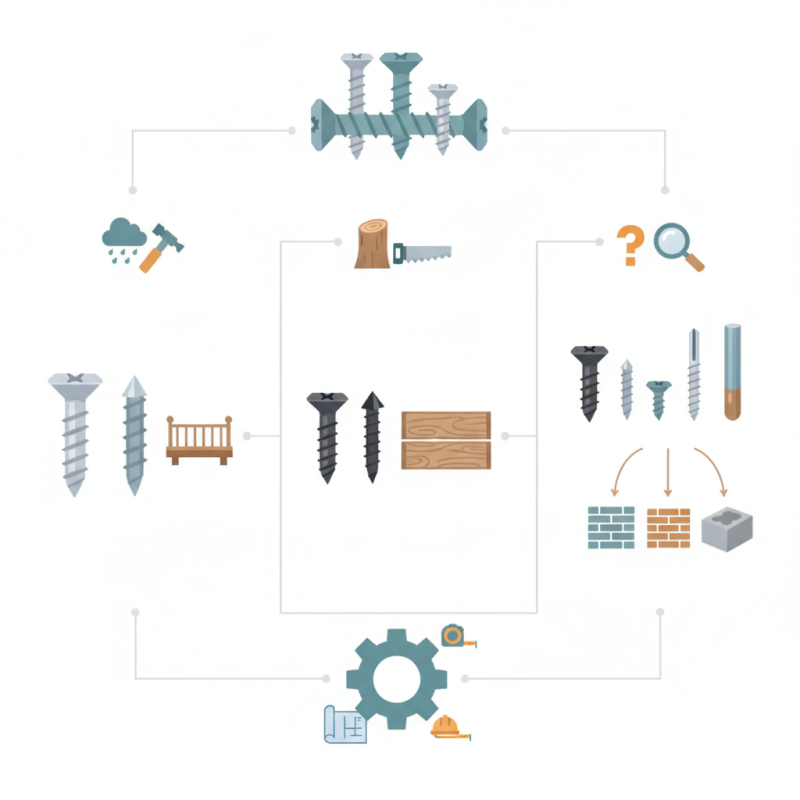
When choosing screws for various building materials, it's essential to consider the specific needs of each application. For wood, wood screws work best due to their sharp points and coarse threads. These features allow for easy penetration and strong grips, which are vital for structural integrity. However, using the wrong length can lead to weak joints, which are often overlooked.
For metal, self-tapping screws offer many advantages. They create their own holes, saving time during installation. These screws are highly effective for thin sheets or panels. Using standard screws with metal may cause stripping or a lack of stability. It's crucial to match the screw type with the metal thickness to avoid these pitfalls.
In masonry work, masonry screws are designed specifically for concrete and brick. They need to be paired with the right drill bit for optimal performance. Incorrect bit sizes can lead to improper fitting. Always check compatibility before starting your project. The choice of screws significantly impacts the durability of any construction.
Factors to Consider When Choosing Screws
When choosing screws for building materials, several factors come into play. One key aspect is the material of the screw itself. Stainless steel is ideal for outdoor projects, as it resists rust. Zinc-coated screws are suitable for indoor applications, offering a good balance between cost and performance. However, be mindful of the environment; excessive corrosion can occur in harsh conditions.
Screw length and diameter also matter greatly. A longer screw typically provides better grip, especially in thick materials. Conversely, if the screw is too long, it may penetrate through the other side. The diameter affects the load-bearing capacity. Choosing the wrong size can lead to structural issues, causing screws to loosen over time. It’s crucial to match the screw to the specific material you are using. Different materials behave uniquely under stress, and not all screws suit all purposes.
Lastly, consider the screw head type. A countersunk head is often preferred for a flush finish, while a pan head can provide a stronger hold but may protrude. It’s essential to think about aesthetics as well as functionality. Many people overlook these details, and it can result in unpleasing outcomes. Choosing screws may seem straightforward, but understanding how each factor plays a role is vital for a successful project.
Best Screws for Building Materials
Commonly Used Screw Materials and Coatings
When selecting screws for building materials, understanding the materials and coatings of screws is crucial. Common screw materials include steel, stainless steel, and brass. Steel screws are popular for their strength. However, they can rust if not properly coated. Stainless steel offers better corrosion resistance but can be more expensive. Brass screws are non-magnetic and ideal for decorative purposes but are less strong.
Coatings significantly influence a screw's performance. Many screws feature a zinc coating to prevent rusting. This is suitable for indoor projects. For outdoor applications, consider screws with a galvanization or ceramic coating. These coatings provide extra durability in harsh conditions. Yet, not all coatings are created equal; some may wear off quicker than expected. This can lead to premature failure.
Choosing the right screws often involves trial and error. Factors such as wood type or climate may complicate decisions. Reflecting on past projects can help refine choices. It’s essential to weigh the benefits of different materials and coatings against project needs. This process fosters a deeper understanding of screw usage in construction.
Screw Dimensions and Thread Types for Secure Fastening
When selecting screws for building materials, understanding screw dimensions and thread types is vital. The right screw enhances stability and durability. According to industry reports, the depth and diameter of screws directly influence their holding power. For instance, a screw with a larger diameter can often secure heavier materials more effectively.
Thread types also play a crucial role. Coarse threads are ideal for soft materials, while fine threads offer better grip in harder materials. A report from the Fastener Quality Act indicates that fine-threaded screws can improve tension and clamp load in structural applications. Always consider the material composition when choosing screws to ensure proper fit and performance.
**Tips:** Use screws that match the density of your material. For wood, choose coarse threads. For metal, fine threads are often more effective. Pay attention to the screw length; it should penetrate the material adequately without risking breakage. Engaging with professionals can also help you choose the best dimensions for your needs. Testing different screw types on scrap materials can reveal potential issues early in your project.
What are the Best Screws for Building Materials? - Screw Dimensions and Thread Types for Secure Fastening
| Screw Type | Diameter (mm) | Length (mm) | Thread Type | Material |
| Wood Screw | 4.0 | 35 | Coarse | Steel |
| Sheet Metal Screw | 3.5 | 25 | Fine | Stainless Steel |
| Lag Screw | 10.0 | 100 | Coarse | Carbon Steel |
| Drywall Screw | 4.2 | 50 | Fine | Phosphate Coated Steel |
| Concrete Screw | 6.0 | 75 | Coarse | Blue Coated Steel |
Best Practices for Installing Screws in Construction Projects
When installing screws in construction projects, attention to detail is crucial. Choosing the right screw type is essential for ensuring durability. For wood, opt for wood screws. They have sharp tips for easy penetration and coarse threads for better grip. For metal or masonry, use appropriate screws to match the material properties.
Tips: Pre-drilling holes can prevent the wood from splitting. Use a countersink bit to create a recess for the screw head. This makes for a sleeker finish.
It’s important to consider the screw length. A longer screw provides stronger anchoring but may compromise material integrity if too long. Over-tightening can lead to weakened connections or stripped holes. Test different lengths to find what works best for your specific project.
Tips: Apply a lubricant for easier driving, especially in hardwood. Always double-check alignment before securing screws. Adjusting a misaligned screw can sometimes lead to damage. Your technique matters as much as your tools do.

 Skip to main content