Outdoor events look effortless from the guest’s side. Behind the scenes, organizers watch the weather, protect equipment, and create comfortable places to gather. A Folding Gazebo can help with all three. It offers portable shade, a defined event space, and quicker setup than many permanent structures. But not every model handles wind, repeated transport, or crowded venues equally well.
The U.S. Bureau of Economic Analysis reported that outdoor recreation contributed $1.2 trillion to the U.S. economy in 2023, representing 2.3% of GDP. That broad figure includes many activities; it is not a gazebo-market estimate. Still, it shows the scale of outdoor recreation and the need for practical event equipment. Small details matter. A locking frame, clear setup instructions, and a wheeled carry bag can save time when the forecast changes.
This guide compares ten folding gazebos for outdoor events, focusing on setup, portability, materials, and useful protection. We also consider trade-offs, because a lighter frame may be easier to carry but less substantial in exposed conditions. One point needs care: we could not verify a published quotation from a named Folding Gazebo industry expert, so we will not invent one. Manufacturer specifications and independent safety guidance deserve closer attention than an attractive slogan. Check anchoring instructions. Inspect the joints. And leave room for doubt: no portable shelter suits every site or every forecast.
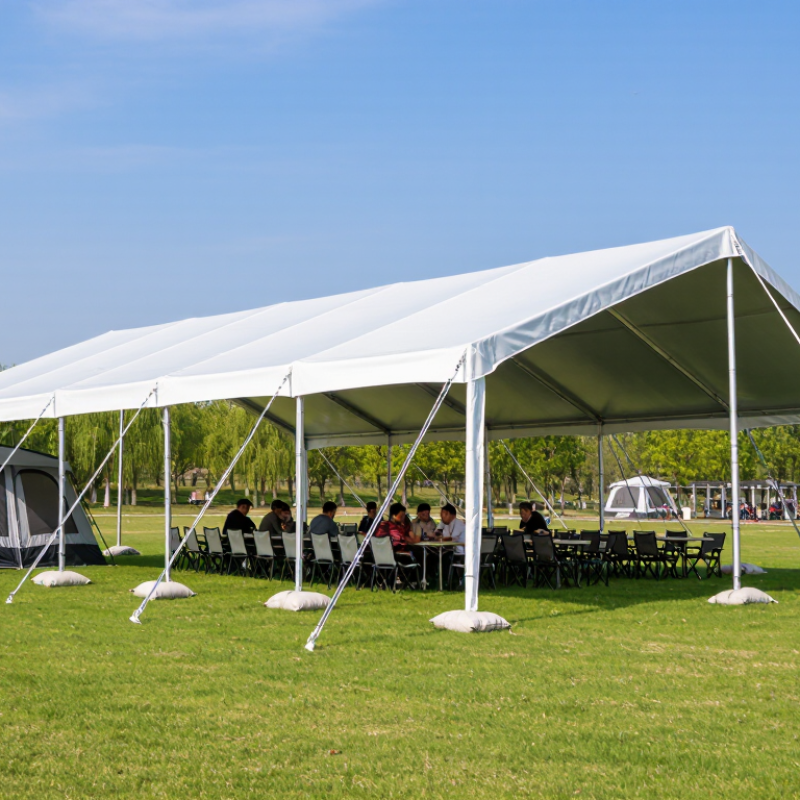
A folding gazebo uses a hinged metal frame that expands as its legs move apart. Scissor-like roof braces spread the load across the frame, while locking joints hold the structure open. The canopy usually slips over the roof rails or attaches with hook-and-loop straps. Check each lock before raising the legs; one missed joint can leave the roof uneven. It happens.
A 10 × 10 ft footprint provides 100 square feet of shade, enough for a small serving table and several chairs, though usable space shrinks around the legs. That familiar size is practical to transport, but it is not a wind rating. The Outdoor Industry Association’s 2023 Outdoor Participation Trends Report counted 175.8 million U.S. participants in outdoor recreation, underlining the scale of demand for adaptable outdoor setups. A folding shelter can suit gatherings, but its fabric and light frame need careful anchoring. Use the supplied stakes or weights on firm ground, and take the canopy down when conditions turn gusty. The awkward part: setup may be quick, yet anchoring and checking the frame still take time.
| Gazebo Type | Typical Footprint | Approx. Covered Area | How the Folding Frame Works | Typical Canopy Fabric | Best Suited For |
|---|---|---|---|---|---|
| Standard pop-up canopy | 10 × 10 ft (3.05 × 3.05 m) | 100 sq ft (9.3 m²) | Scissor-style crossbars expand from a central frame; telescoping legs lock at the selected height. | Coated polyester or similar outdoor fabric | Market stalls, backyard gatherings, and general event shade |
| Compact square pop-up | 8 × 8 ft (2.44 × 2.44 m) | 64 sq ft (5.9 m²) | A smaller collapsible scissor frame opens in the same way as a full-size pop-up canopy. | Polyester or comparable coated fabric | Small patios, craft tables, and limited setup areas |
| Large square pop-up | 12 × 12 ft (3.66 × 3.66 m) | 144 sq ft (13.4 m²) | An expanded scissor-frame design uses a larger canopy and generally requires more setup space. | Coated polyester or similar fabric | Food service areas and larger outdoor displays |
| Rectangular pop-up canopy | 10 × 20 ft (3.05 × 6.10 m) | 200 sq ft (18.6 m²) | A long folding frame supports a rectangular top; some designs use multiple frame bays. | Coated polyester or similar outdoor fabric | Long vendor tables, registration areas, and serving lines |
| Compact event canopy | 6 × 6 ft (1.83 × 1.83 m) | 36 sq ft (3.3 m²) | A compact folding frame opens by spreading its linked supports and extending its legs. | Polyester or comparable coated fabric | Small booths, equipment cover, and narrow outdoor spaces |
| Peak-style pop-up | Commonly 10 × 10 ft (3.05 × 3.05 m) | About 100 sq ft (9.3 m²) | A folding scissor frame holds a high central canopy peak that helps shed light rain when correctly tensioned. | Coated polyester or similar fabric | Events where a peaked roof profile is preferred |
| Slant-leg pop-up | Often sold in a 10 × 10 ft nominal size | Varies by model; slanted legs may reduce usable space at ground level | Linked legs angle outward from the canopy frame, creating a lightweight, easy-to-carry layout. | Polyester or similar coated fabric | Casual shade and portable recreational use |
| Straight-leg pop-up | Commonly 10 × 10 ft (3.05 × 3.05 m) | About 100 sq ft (9.3 m²) | Telescoping legs descend close to the canopy corners, keeping the ground footprint close to the stated size. | Coated polyester or similar outdoor fabric | Vendor booths and layouts that need a more regular footprint |
| Steel-frame folding canopy | Commonly 10 × 10 ft (3.05 × 3.05 m) | About 100 sq ft (9.3 m²) | A folding steel scissor frame collapses into a compact form; the frame is typically heavier than comparable aluminum designs. | Polyester or comparable coated fabric | Occasional events where a sturdy, portable frame is useful |
| Aluminum-frame folding canopy | Commonly 10 × 10 ft (3.05 × 3.05 m) | About 100 sq ft (9.3 m²) | A folding aluminum frame uses linked crossbars and telescoping legs; aluminum is generally lighter than steel. | Coated polyester or similar outdoor fabric | Frequent transport, outdoor markets, and mobile event setups |
Sizes and materials are typical examples, not universal specifications. “10 × 10 ft” usually describes the nominal canopy footprint; usable ground space can differ by frame design. Folding canopies are not automatically windproof or waterproof—check the product’s stated limits, secure it with suitable weights or anchors, and take it down in unsafe weather.
Steel frames are often the practical choice when a gazebo will stay in one place for an afternoon event. Their extra mass can help the structure feel steady on firm ground, especially when guests brush past the legs. But steel is heavier to carry, and chipped coatings may expose metal to moisture. Check the joints and finish before packing it away. A damp frame stored in a tight bag can develop problems; I learned that the hard way.
Aluminum frames are easier to lift from a car and set up across a lawn. That matters when one person is handling several trips with folded legs and fabric panels. Aluminum resists rust, but lighter does not automatically mean sturdier. Thin tubing can flex, and loose connections may wobble under a canopy. Feel the frame move before buying, if you can. Small details count.
Total gazebo weight includes more than its frame. Canopy fabric, sidewalls, stakes, and a carry bag all add weight, so compare complete packed weights rather than frame-only figures. A 30-pound model may feel manageable at home, then awkward on a long walk from the parking area. Measure the packed dimensions, too. There is no perfect material: choose steel for a heavier feel, aluminum for easier carrying, and verify that the assembled frame suits your event space and expected use.
Material density and relative frame mass at equal frame volume
Steel has a density of about 7.85 g/cm³, while aluminum is about 2.70 g/cm³. For the same volume of frame material, aluminum would weigh about 34% as much as steel. Actual total gazebo weight also depends on frame design, fabric, connectors, and size.
When comparing folding gazebos for outdoor events, check the canopy’s tested ultraviolet protection factor, not just its color or thickness. UPF 50+ fabric allows no more than about 2% of measured ultraviolet radiation to pass through, blocking at least 98% under test conditions. The American Association of Textile Chemists and Colorists’ test method TM183 measures ultraviolet transmission through fabrics. That detail matters: a dark canopy may feel cooler, but appearance alone does not confirm its UPF rating.
Look for documentation stating UPF 50+ and the test method used. The World Health Organization advises sun protection when the UV Index reaches 3 or higher; on clear summer days, that level can arrive before the hottest part of the afternoon. Shade helps, but it is not a sealed shield. UV can reach people from the sides or reflect off nearby surfaces, so sunscreen, a brimmed hat, and covered seating still matter.
A canopy edge lifting in a breeze can expose a table surprisingly quickly. Small detail, big difference.
Fabric condition matters too. Tears, stretched seams, and prolonged weathering may affect coverage, while moisture can alter some fabrics’ protection. Test results describe the material under specified conditions, not every setup at a busy event. I would treat a UPF label as useful evidence, not a guarantee; checking the canopy after assembly is easy to overlook.
Stability starts at ground level. A folding gazebo with thin legs may feel secure on a calm driveway, then shift when gusts catch its roof. Anchor every leg with stakes suited to the soil, or weighted plates on hard surfaces. Keep anchors tight and inspect them after setup. The National Weather Service’s Beaufort Wind Scale describes 19–24 mph winds as strong enough to move large branches. That is useful context, not a safe operating limit for a gazebo. Follow the structure’s stated wind limit, and take it down sooner if gusts lift the canopy or loosen an anchor. Wind changes quickly. I have seen a firm-looking setup become worrying once the fabric starts snapping.
Assembly time matters when an event schedule is tight. But published setup claims are hard to compare: crews, ground conditions, and frame designs differ. The Event Safety Alliance’s Event Safety Guide treats weather planning and temporary structures as active safety responsibilities, rather than one-time checks. Practice with the actual unit before event day. Time the job with two people, including anchoring and canopy fitting; a bare-frame test can give a misleading result. Note any pinched fingers, unclear joints, or steps that require a third person. That record may be imperfect, but it is more useful than guessing. Keep a clear exit route and a wind-monitoring plan nearby.
The best folding gazebo for an outdoor event balances coverage, portability, and dependable weather protection. Compare all ten options by canopy footprint, packed size, weight, frame material, and setup method. A compact 8-by-8-foot shelter may suit a market stall, while a larger 10-by-20-foot model can cover several tables. Check the listed dimensions carefully: some describe the roof, not the usable space beneath it.
Compare canopy fabric by its stated water resistance and UV protection, rather than appearance alone. Check whether sidewalls are included, sold separately, or absent. Frame construction affects both weight and stability; steel is often heavier, while aluminum can be easier to carry. Look for clear anchoring options and replacement-part information. A folding frame saves setup time, but one person may still struggle with a wide canopy in gusty conditions. Specifications cannot guarantee performance in every setting, so follow the maker’s weather guidance.
Tips
Measure your event space before choosing. Add room for chairs, walkways, and open doors. Compare packed dimensions with your vehicle’s cargo space, then check the total carry weight. Practice setup at home; a dry run can reveal awkward locks or missing steps before guests arrive. Tie-downs help, but they are not a substitute for taking the shelter down when conditions become unsafe.
Scan QR code to download the app
LSP Products was founded by plumbers over 50 years ago with a focus on unparalleled innovation, superior product quality, and best-in-class service to the plumbing industry. Our primary focus is the new construction market where we develop products that make installations easy and provide significant cost savings to the plumbing/mechanical contractor. LSP has a manufacturing facility located in Monterrey, Mexico and a distribution center in Dallas, Texas. We are proud to offer many products designed and made in North America… About LSP
Submit the form below to receive the document via email.