Choosing the right Barcode Inspection system is not simply a matter of comparing camera resolution or purchase price. Global buyers must consider print quality, code position, line speed, product variation, lighting, software integration, and service availability. A small unreadable symbol can stop a conveyor, delay shipment, or trigger expensive manual checks. That risk becomes greater when factories operate across multiple countries and packaging formats.
Industry data shows why inspection deserves closer attention. MarketsandMarkets estimated the global barcode scanner market at approximately USD 7.2 billion in 2023, with continued growth expected through 2028. Meanwhile, GS1 emphasizes accurate barcode identification as a foundation for traceability across retail and supply chains. PMMI reports also highlight growing investment in packaging automation, where vision-based verification supports quality control and reduces operator dependence. These reports describe market direction, but they do not identify one universal solution.
This guide examines seven Barcode Inspection systems for global buyers. It compares detection accuracy, scanning speed, reject handling, integration options, maintenance needs, and total ownership costs. Practical details matter, including whether a system reads a glossy pouch under uneven lighting or verifies thousands of cartons during a long production shift. No shortlist is perfect. A premium system may be excessive for a simple line, while a low-cost unit may create hidden labor costs. Buyers should test real samples before approval. That step sounds obvious, yet it is often missed. The final choice should match product risk, production volume, regional support, and future automation plans.
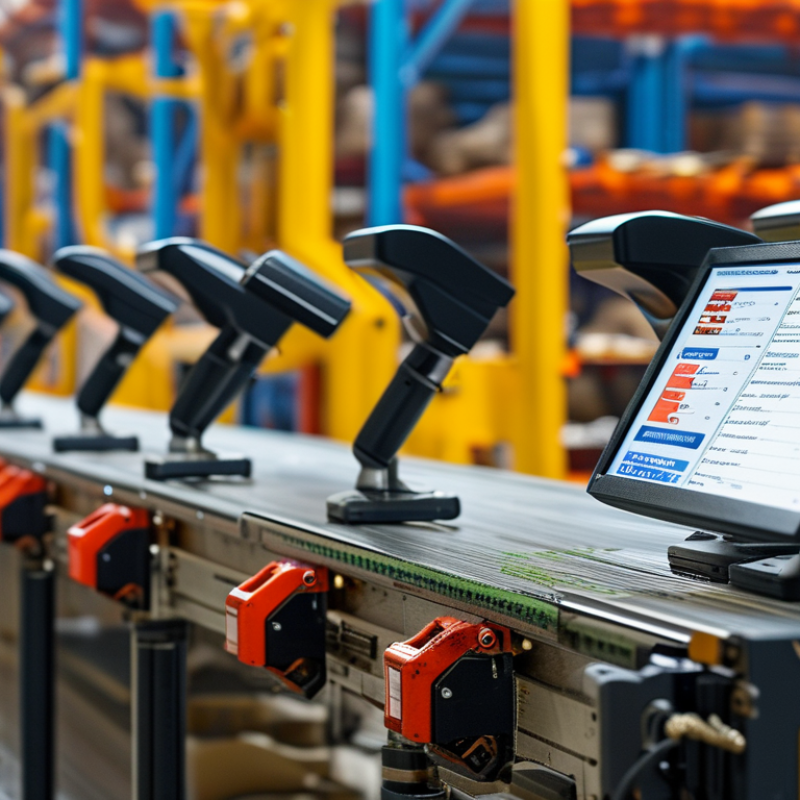
A barcode inspection system checks printed or marked codes during manufacturing, packing, or shipping. It usually combines an industrial camera, controlled lighting, image software, and a trigger sensor. Unlike a basic scanner, it does more than read data. It evaluates contrast, spacing, alignment, missing bars, smudges, and damaged quiet zones. The system can also compare decoded information with a production database. This helps confirm that the correct code appears on the correct product.
In practical use, a camera captures each item as it passes. Software analyzes the image within milliseconds. If the code fails inspection, an output signal can stop the line or activate a reject device. Inspection quality depends on lens choice, lighting angle, print material, speed, and camera position. A glossy pouch may create glare. A curved bottle may distort the code. These details often matter more than headline camera resolution.
Global buyers should request sample testing with real products, not only factory demonstrations. Ask for evidence based on recognized barcode quality methods, such as ISO/IEC verification practices. Check performance across different sizes, colors, temperatures, and printing conditions. Integration with existing conveyors and traceability systems also deserves attention. I have found that simple interfaces reduce operator mistakes. Still, no system is perfect. Dust, vibration, and poor artwork can weaken results. A careful supplier should explain these limits clearly, rather than promise flawless inspection.
A barcode inspection system verifies whether printed codes can be scanned before products leave the line. A camera captures the symbol under controlled lighting. Software then checks contrast, spacing, quiet zones, damage, and data accuracy. It may compare the decoded number with an order database. If the code fails, an air jet or conveyor gate can remove the package.
ISO/IEC 15416 grades one-dimensional barcodes from A to F. The grade reflects print quality, not merely successful scanning. This distinction matters. A code may scan today but fail after transport, dust, or weak lighting. Mordor Intelligence estimated the barcode scanner market at about USD 7.08 billion in 2024, with continued growth expected through 2029. That expansion increases demand for dependable inspection, especially in fast-moving warehouses and export packaging.
Tips: Test samples at normal line speed, not only by hand. Ask suppliers for ISO/IEC 15416 or ISO/IEC 15415 reports. Check reflective film, curved surfaces, and small labels. Keep image records for failed reads. No setup is perfect. Operators should review false rejects, because excessive sensitivity can waste good products. One practical lesson is often missed: inspection software cannot correct poor artwork, unstable printing, or incorrect product data.
Global buyers should compare seven system types: handheld verifiers, inline vision units, 1D readers, 2D matrix readers, print-quality analyzers, robotic inspection stations, and cloud-connected traceability systems. The right choice depends on package speed, code size, lighting, and required grading standards. GS1 reports that barcodes are scanned more than six billion times daily worldwide, so small inspection errors can create expensive delays across warehouses and borders.
Key purchasing features include ISO/IEC-compliant grading, support for both linear and 2D codes, automatic rejection, multilingual software, and easy integration with manufacturing systems. A reliable camera should read a damaged code, while still identifying poor contrast, quiet-zone loss, distortion, and missing data. GS1’s Sunrise 2027 guidance also makes 2D readiness important for global retail projects. Ask whether the system supports common data structures, not just readable symbols.
Test it on real cartons. Dusty labels, curved bottles, reflective film, and changing conveyor speeds reveal more than a showroom demonstration. One weakness remains. A high inspection grade does not guarantee correct product data. Buyers should verify calibration records, audit trails, cybersecurity controls, spare-parts access, and local service coverage. Independent trials are wise, although they can expose uncomfortable gaps in an otherwise attractive specification.
Choosing among seven leading barcode inspection system options requires more than comparing scan speed. A practical shortlist should include a fixed-mount vision scanner, a smart camera, a laser verifier, a 2D code reader, a multispectral inspection system, a robotic inspection unit, and a modular inline platform.
Multispectral systems can reveal low-contrast marks that ordinary lighting misses. Robotic units suit mixed products, changing angles, and difficult access points. Modular platforms offer expansion when a factory adds cameras, reject devices, or data tracking later.
In my experience, lighting causes more failures than buyers expect. A clean code can still appear unreadable under glare, dust, or curved packaging. Test samples should include wet labels, faded ink, wrinkles, and fast conveyor movement.
Do not rely only on a successful showroom demonstration. It may hide real production variation. Connectivity also deserves attention, including common industrial interfaces, audit records, and simple operator controls.
No system is perfect. A highly accurate solution may demand more calibration, maintenance, or training than a smaller facility can support.
Choosing among the 7 best barcode inspection systems requires more than comparing purchase prices. GS1 reports that over six billion barcodes are scanned worldwide each day, so inspection reliability directly affects production flow. Check whether each system reads 1D and 2D codes, including low-contrast marks, curved surfaces, and damaged labels. Compatibility matters. Confirm support for common industrial interfaces, existing cameras, PLCs, databases, and line speeds.
Compare total cost, not just the quotation. Include lighting, mounting, software licenses, calibration, replacement parts, operator training, and integration labor. MHI’s 2024 Annual Industry Report found that 55% of respondents planned to increase supply-chain technology investment. That suggests stronger demand for measurable returns, but expensive hardware is not automatically better. A ten-minute setup on a test bench proves little.
Ask suppliers to inspect your real products under dusty, reflective, and poorly aligned conditions. Short trials expose weaknesses. They also reveal whether operators can understand failure messages without calling an engineer. Support should include response times, remote diagnostics, firmware policies, and local spare-part access. Verify compliance with relevant ISO/IEC barcode quality standards, rather than accepting vague claims about “high accuracy.” A system that achieves 99.9% performance in a controlled demo may behave differently on a fast, humid production line. I would also request documented test results and three-year operating costs. Some estimates remain uncertain. That is exactly why buyers should challenge them.
Scan QR code to download the app
LSP Products was founded by plumbers over 50 years ago with a focus on unparalleled innovation, superior product quality, and best-in-class service to the plumbing industry. Our primary focus is the new construction market where we develop products that make installations easy and provide significant cost savings to the plumbing/mechanical contractor. LSP has a manufacturing facility located in Monterrey, Mexico and a distribution center in Dallas, Texas. We are proud to offer many products designed and made in North America… About LSP
Submit the form below to receive the document via email.