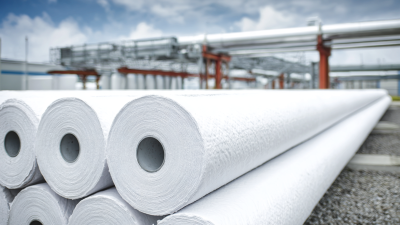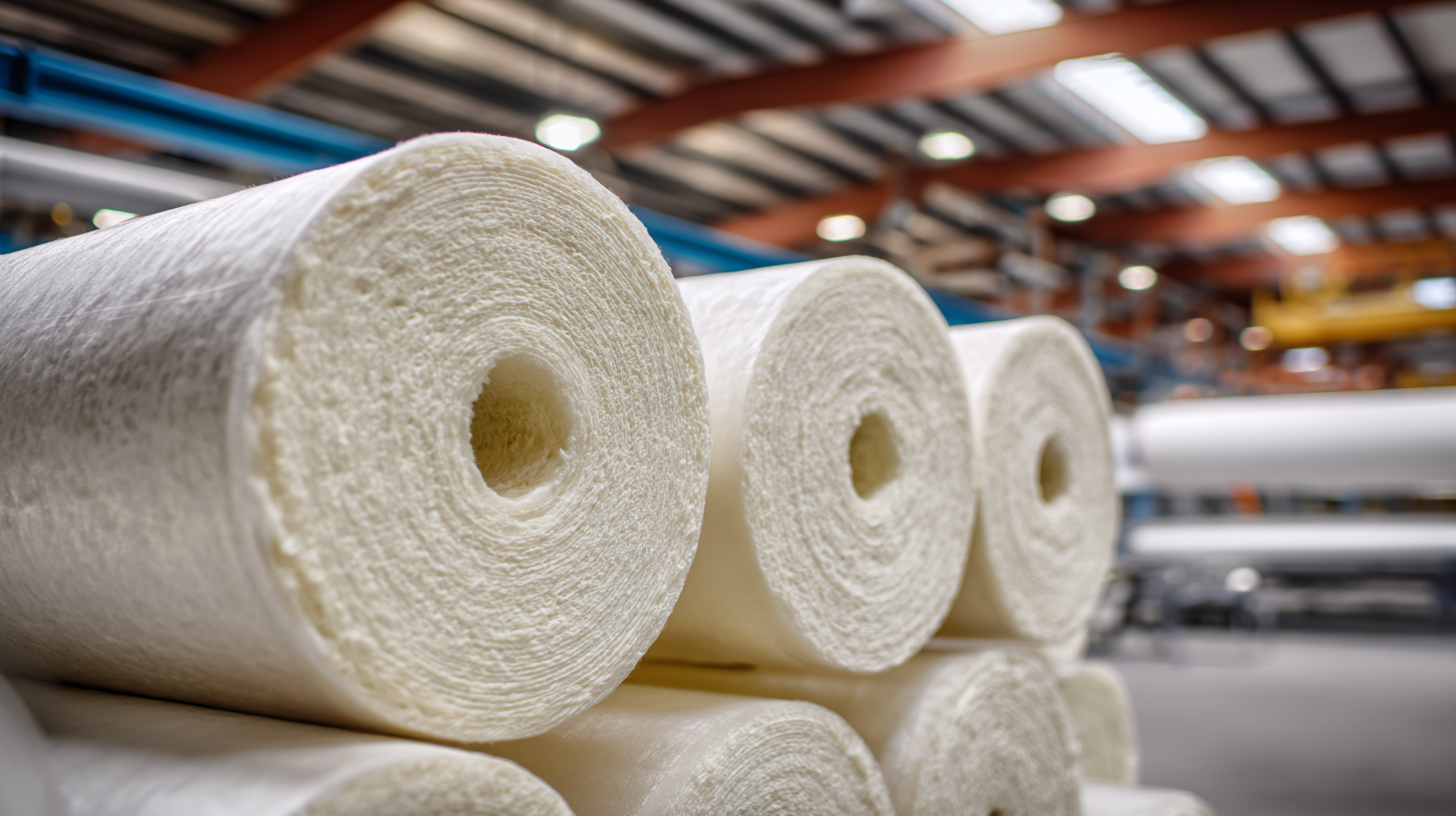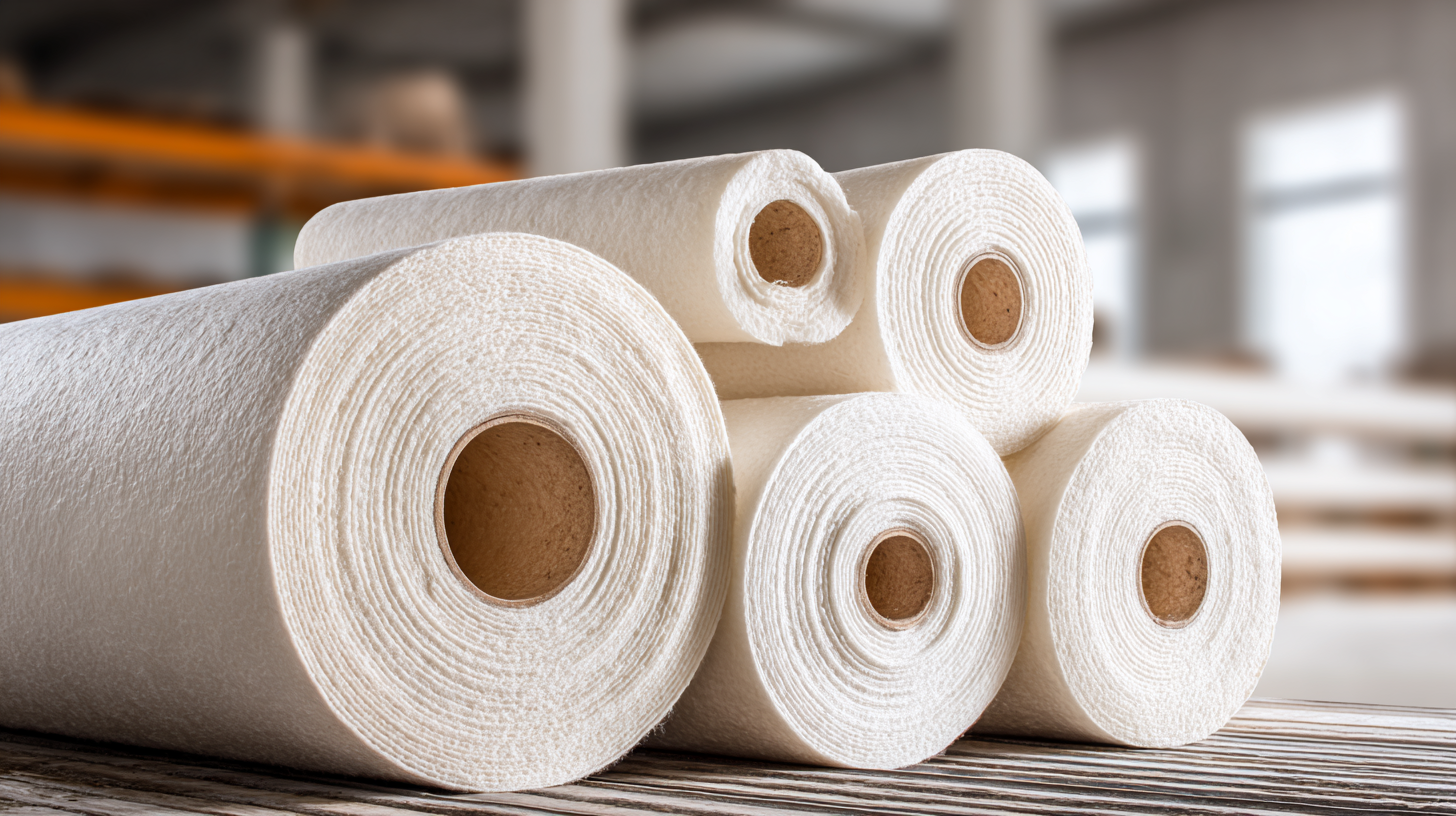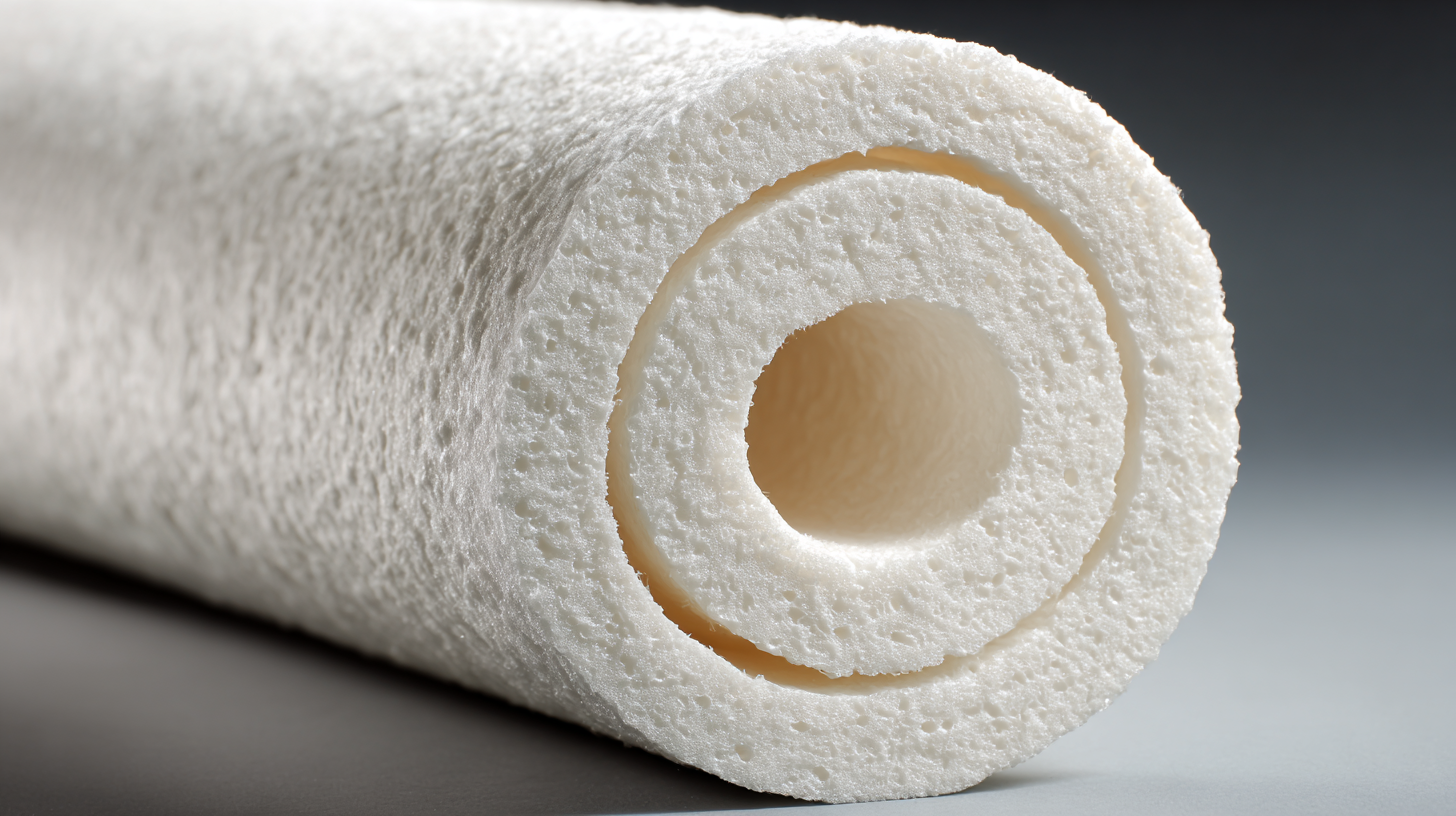
Pipe insulation foam is an essential solution for homeowners and businesses looking to enhance energy efficiency and reduce costs. As energy prices continue to rise, finding ways to optimize energy usage has become increasingly important. Pipe insulation foam not only protects plumbing systems but also plays a crucial role in maintaining temperature, preventing heat loss in hot water pipes and minimizing condensation, which can lead to mold and structural damage.
In this article, we will explore the myriad benefits of pipe insulation foam, highlighting its effectiveness in cutting energy bills and promoting a more sustainable environment. By insulating pipes, energy transfer is significantly reduced, which means less energy is needed for heating and cooling systems to maintain comfortable indoor temperatures. Additionally, the use of pipe insulation foam can extend the lifespan of plumbing systems by reducing wear and tear caused by temperature fluctuations.
As we delve into the practical applications and financial advantages of pipe insulation foam, it will become clear how this often-overlooked material is a wise investment for anyone looking to improve their energy efficiency while simultaneously saving money. With increasing emphasis on eco-friendly practices, utilizing pipe insulation foam is not only a cost-effective choice but also a responsible one that contributes to preserving our planet's resources.
Pipe insulation foam offers significant energy savings and cost reductions that are hard to ignore. According to the U.S. Department of Energy, proper insulation of pipes can reduce energy loss by up to 90% for hot water supply lines. This translates to a notable decrease in heating costs, especially in larger buildings or homes with extensive plumbing systems. When water retains heat longer, there is less need for additional heating, allowing homeowners and businesses to enjoy lower utility bills month after month.
In addition to immediate savings on energy, foam insulation also contributes to the longevity of plumbing systems. The National Association of Home Builders reports that pipe insulation can prevent heat loss and minimize condensation, which often leads to corrosion and costly repairs. Insulated pipes are less likely to freeze during the winter months, further reducing the risk of burst pipes and the associated repair costs. By investing in quality pipe insulation foam, property owners not only enhance energy efficiency but also cushion themselves against unexpected expenses related to water damage and plumbing failures.
Pipe insulation foam plays a critical role in enhancing HVAC efficiency in commercial buildings. By wrapping pipes with high-quality insulation, businesses can significantly reduce heat transfer, which is crucial for maintaining optimal temperatures in various environments. This not only improves the overall performance of the HVAC systems but also decreases the workload on heating and cooling units. As a result, commercial spaces can enjoy a more consistent climate while reducing energy consumption and associated costs.
In addition to energy savings, effective pipe insulation foam helps prevent condensation build-up, which can lead to mold growth and water damage. By keeping pipes at a consistent temperature, insulation minimizes the risks of dripping and leakage that typically accompany fluctuation in temperatures. This protective measure extends the lifespan of HVAC components and contributes to healthier indoor air quality—both essential factors for commercial buildings aiming to provide a safe and comfortable environment for occupants.
Implementing pipe insulation foam not only enhances efficiency but also represents a proactive approach to building management and sustainability.
Maintaining temperature is crucial in managing energy bills, particularly as the demand for heating and cooling continues to rise due to extreme weather events. A recent study indicates that the HVAC market is projected to grow significantly, with the market size expected to reach approximately USD 155.63 billion by 2033, reflecting a compound annual growth rate of 6.57%. By effectively insulating pipes with foam, businesses and homeowners can significantly enhance their energy efficiency, thereby reducing their overall consumption and costs.
Indeed, effective insulation can mitigate heat loss in plumbing and HVAC systems, ultimately leading to substantial savings on energy bills. Data from analyses of power consumption during extreme weather situations highlight that homes without adequate insulation can experience a spike in energy usage, escalating their bills by as much as 20%. Given the increasing pressure on energy systems due to climate change and extreme temperatures, investing in pipe insulation foam is a responsible decision that not only cuts costs but also supports a more sustainable future.
Pipe insulation foam is an essential component in maintaining a safe and healthy residential environment. One of the primary health benefits is the reduction of condensation on pipes, which can lead to mold and mildew growth. These fungi can trigger respiratory issues and allergies, especially in vulnerable populations. By insulating pipes effectively, homeowners can not only prevent these health risks but also improve the overall air quality in their homes.
When considering pipe insulation foam, homeowners should keep a few tips in mind. First, choose insulation materials that are both effective and safe, such as those with low volatile organic compounds (VOCs). Second, ensure that the insulation is properly fitted around all pipes, particularly in unconditioned spaces like basements and attics, to maximize its effectiveness. Lastly, consider inspecting and maintaining your insulation regularly, as this can help preserve its benefits and enhance your home's energy efficiency.
Additionally, installing pipe insulation can enhance fire safety. By protecting hot water pipes, you reduce the risk of burns and accidental fires caused by exposed pipes. This simple upgrade not only contributes to a healthier living space but also provides peace of mind for families, making pipe insulation foam a worthwhile investment for any home.
| Benefit | Description | Estimated Savings | Health and Safety Impact |
|---|---|---|---|
| Energy Efficiency | Reduces heat loss in pipes, leading to lower energy bills. | Up to 20% on heating costs | Improves overall home comfort |
| Frost Protection | Prevents pipes from freezing during cold months. | Avoids costly repairs from burst pipes | Minimizes risk of flooding and damage |
| Condensation Control | Reduces water buildup that leads to mold growth. | Potential to save on mold remediation costs | Improves indoor air quality |
| Noise Reduction | Minimizes sound travel from plumbing. | Enhances home peace and quiet | Improves living conditions |
| Safety from Burns | Insulates hot water pipes, reducing burn risk. | Prevents injuries | Protects children and pets |
When it comes to selecting the right type of pipe insulation foam, several factors should be considered to maximize both energy savings and overall efficiency. According to the Department of Energy, properly insulating pipes can reduce heat loss by up to 90%, significantly lowering energy bills. However, not all insulation materials are created equal. It’s essential to evaluate the insulation's thermal conductivity, moisture resistance, and temperature range to ensure it meets your specific needs.
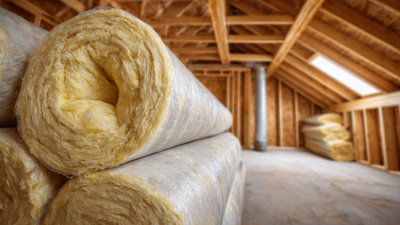
Tips: When choosing pipe insulation foam, consider the location of the pipes—whether they are indoors or outdoors—since this can influence the type of insulation material needed. For indoor pipes, closed-cell foam is often recommended due to its superior moisture resistance, while outdoor pipes may benefit more from fiberglass insulation that can withstand varying temperatures.
Additionally, evaluate the insulation's R-value, which measures its thermal resistance. The higher the R-value, the better the insulation’s performance. Industry reports suggest that selecting insulation with an R-value appropriate for your climate can improve energy efficiency by approximately 20-30%, leading to significant cost savings in the long run.
Scan QR code to download the app
LSP Products was founded by plumbers over 50 years ago with a focus on unparalleled innovation, superior product quality, and best-in-class service to the plumbing industry. Our primary focus is the new construction market where we develop products that make installations easy and provide significant cost savings to the plumbing/mechanical contractor. LSP has a manufacturing facility located in Monterrey, Mexico and a distribution center in Dallas, Texas. We are proud to offer many products designed and made in North America… About LSP
Submit the form below to receive the document via email.