In recent years, the importance of energy efficiency in modern homes has become increasingly recognized, particularly as homeowners seek sustainable solutions to combat rising energy costs and environmental concerns. One of the most effective measures for enhancing energy efficiency is the use of foam insulation. According to the U.S. Department of Energy, nearly 50% of a home's energy use is devoted to heating and cooling, highlighting the critical role insulation plays in regulating indoor temperatures and reducing energy consumption. Foam insulation stands out due to its superior thermal resistance and air sealing capabilities, which can lead to an energy savings of up to 30% when properly installed. As homeowners continue to prioritize sustainability, investing in foam insulation not only contributes to lower utility bills but also supports a more environmentally friendly lifestyle, making it a compelling choice in the quest for energy efficiency in contemporary residential construction.
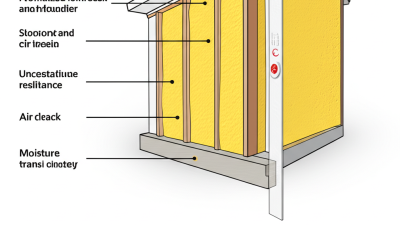
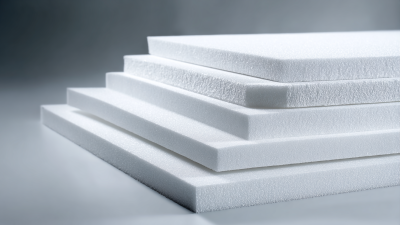
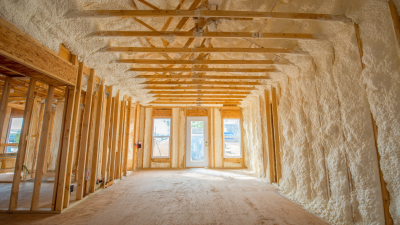
Foam insulation has emerged as a popular choice for enhancing energy efficiency in modern homes. Understanding its types and applications is crucial for homeowners looking to improve comfort and reduce energy costs. There are mainly two types of foam insulation: open-cell and closed-cell. Open-cell foam is lighter and more flexible, making it suitable for interior walls and ceilings, while closed-cell foam provides superior insulation and moisture resistance, ideal for exterior, basements, and areas prone to dampness.
When considering foam insulation for your home, it's beneficial to assess your specific needs. For instance, if you're aiming to reduce noise pollution, open-cell foam is an excellent choice due to its sound-dampening qualities. Additionally, closed-cell foam can enhance structural integrity while preventing air leaks, making it particularly effective in extreme weather conditions.
**Tips:** Always consult with a professional insulation contractor to determine the best foam type for your specific project. Furthermore, ensure proper application to maximize energy savings and avoid any potential issues with moisture accumulation. Consider inspecting your current insulation to identify areas where foam insulation can provide the most benefit, particularly in attics and crawl spaces.
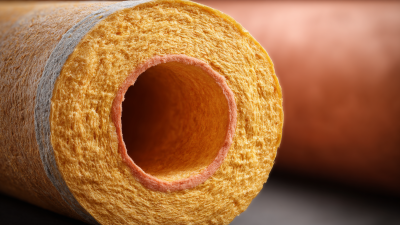
When it comes to insulation materials, foam insulation stands out against traditional options like fiberglass and cellulose. One of the major advantages of foam insulation is its superior ability to create an airtight seal, which significantly reduces air leakage. Traditional materials often leave gaps that can allow drafts to enter, compromising energy efficiency. This means that homes using foam insulation can maintain their internal temperatures more effectively, leading to lower heating and cooling costs.
Furthermore, foam insulation typically has a higher R-value per inch compared to traditional materials. This means that even with a thinner layer, foam can provide the same level of thermal resistance, allowing for better space utilization without sacrificing comfort. Additionally, foam’s resistance to moisture can prevent mold growth, a common issue associated with fiberglass insulation in humid climates. Overall, the benefits of foam insulation make it a compelling choice for homeowners looking to enhance energy efficiency while also ensuring long-term durability.
This chart compares the energy efficiency ratings (R-values per inch) of various insulation materials, showcasing the superior performance of foam insulation for energy efficiency in modern homes.
Foam insulation has emerged as a key player in enhancing energy efficiency for modern homeowners. According to the U.S. Department of Energy, properly installed foam insulation can reduce energy consumption by up to 50%. This remarkable efficiency is largely due to its superior R-value; closed-cell foam insulation, for instance, can achieve an R-value of 6 to 7 per inch, significantly outperforming traditional insulation materials. The ability of foam insulation to create a complete air seal further minimizes energy loss, preventing drafts that commonly lead to heating and cooling inefficiencies.
Moreover, the long-term financial benefits cannot be overlooked. A report by the American Council for an Energy-Efficient Economy (ACEEE) indicates that homeowners who invest in foam insulation can see return on investment (ROI) through reduced utility bills that often reach up to 30% annually. Additionally, with foam insulation's moisture-resistant properties, homeowners can avoid costs associated with mold and water damage, leading to sustained savings over time. As Energy Star emphasizes, upgrading to foam insulation is not merely an aesthetic choice; it is a strategic investment in a home’s energy efficiency and overall comfort.
Foam insulation has emerged as a crucial element in modern construction, delivering significant benefits for energy efficiency while also addressing environmental concerns. Research indicates that homes insulated with foam can improve energy efficiency by up to 50% compared to those without, as noted by the U.S. Department of Energy. This reduction not only leads to lower energy bills for homeowners but also lessens the overall carbon footprint of residential buildings.
Moreover, the environmental impact of using foam insulation is increasingly recognized. High-performance foam insulation products can contribute to achieving building energy codes and certifications such as LEED (Leadership in Energy and Environmental Design). A report from the Environmental Protection Agency (EPA) highlights that using advanced insulation materials like foam can reduce greenhouse gas emissions by a staggering 30% over the lifecycle of the building. By minimizing energy consumption, foam insulation plays a significant role in promoting sustainable construction practices and mitigating climate change.
Foam insulation has emerged as a prominent choice for homeowners looking to enhance energy efficiency while also considering long-term cost savings. Initially, the installation of foam insulation may seem more expensive compared to traditional insulation materials; however, its benefits over time become increasingly apparent. The superior thermal resistance of foam insulation significantly reduces energy consumption for heating and cooling, leading to lower utility bills.
This reduction in energy usage not only promotes environmental sustainability but also translates into substantial savings on energy costs throughout the years.
Moreover, foam insulation's durability and lifespan add to its cost-effectiveness. Unlike other insulation types that may require replacement or maintenance, foam insulation maintains its performance without deteriorating over time. This longevity means homeowners are less likely to incur additional costs for repairs or replacements. Additionally, the enhanced air sealing properties of foam insulation help
prevent drafts and moisture intrusion, which can lead to costly damage. Therefore, while the upfront investment may be higher, the long-term financial benefits of foam insulation, combined with its ability to improve home comfort, make it a wise choice for modern homeowners.
Scan QR code to download the app
LSP Products was founded by plumbers over 50 years ago with a focus on unparalleled innovation, superior product quality, and best-in-class service to the plumbing industry. Our primary focus is the new construction market where we develop products that make installations easy and provide significant cost savings to the plumbing/mechanical contractor. LSP has a manufacturing facility located in Monterrey, Mexico and a distribution center in Dallas, Texas. We are proud to offer many products designed and made in North America… About LSP
Submit the form below to receive the document via email.