What Is Acoustic Insulation Foam and How Does It Work?

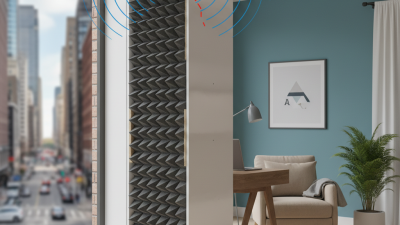
Acoustic insulation foam is often introduced as a simple answer to unwanted sound. In practice, its performance depends on structure, thickness, density, installation, and the sound frequency involved. Open-cell foam contains interconnected pores that convert part of airborne sound energy into small amounts of heat. It absorbs reflections inside rooms, studios, offices, and machinery enclosures. It does not automatically block every noise source.

The distinction matters. The World Health Organization’s Environmental Noise Guidelines for the European Region identify road traffic exposure above 53 dB Lden as a level linked with health concerns. NIOSH also uses 85 dBA over an eight-hour workday as a recommended exposure limit. These figures do not prove that foam alone can solve a noise problem. They show why accurate measurement should come before product selection. A foam panel may reduce echo, while a heavy barrier, sealed joint, or isolated mounting system may be needed for transmission loss.

Technical evaluation also requires consistent methods. ISO 354 measures sound absorption in a reverberation room, while ISO 11654 classifies absorbers using weighted sound absorption values. ASTM C423 provides another widely used laboratory method. These standards help compare materials, but laboratory results may differ from a real room with gaps, furniture, uneven walls, or poor placement.

A useful explanation should remain cautious. Acoustic insulation foam can improve speech clarity and reduce harsh reflections. It cannot make a thin wall completely soundproof. That claim needs reconsideration. This guide examines how the material works, where it performs well, and which practical limitations buyers should understand before installation.
What Is Acoustic Insulation Foam and How Does It Work?

What Acoustic Insulation Foam Is and What It Contains

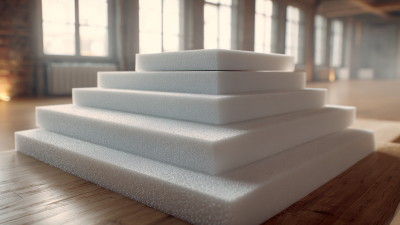
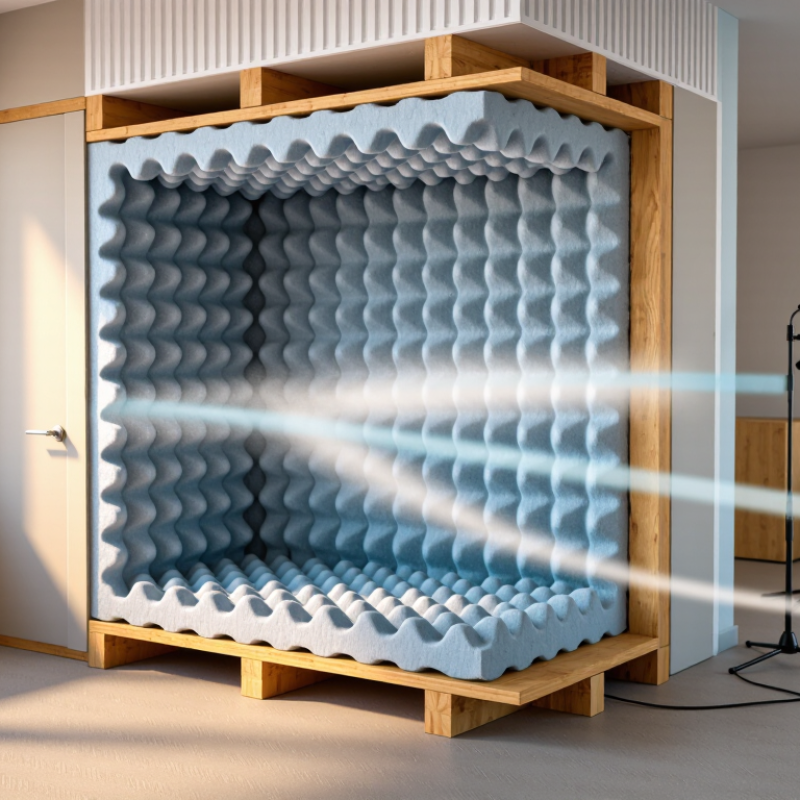
Acoustic insulation foam is a porous material designed to reduce sound energy inside a room. It is not a magic sound barrier. Its network of tiny cells makes air movement lose energy as heat, especially across mid and high frequencies. In practice, foam panels can soften speech reflections, ringing, and equipment noise. They usually do not stop bass passing through walls. That distinction matters.

Most products contain a polymer foam base, commonly polyurethane, melamine, or polyethylene. Open-cell structures allow sound waves to enter the material. Additives may include colorants, stabilizers, bonding agents, and flame-retardant treatments. Exact ingredients vary by formulation. A technical data sheet should identify density, thickness, fire performance, and volatile emissions. “Low odor” is not proof of low emissions. Ask for test evidence.

Shape and thickness influence performance as much as chemistry. Wedges and pyramids increase exposed surface area. Thicker foam generally absorbs lower frequencies more effectively. For a small recording room, I measure the problem before covering walls. A handclap test helps, but calibrated measurements are better. Installers should keep ventilation paths clear and follow fire-rating instructions. Foam can be useful. Yet I would not call it insulation without verified acoustic or thermal data. Some products look similar but behave differently. Rushed choices fail there.

What Is Acoustic Insulation Foam and How Does It Work?

Data Dimension Typical Information How It Affects Acoustic Performance
Primary purpose Sound absorption and reverberation control The foam reduces reflected sound energy inside a room rather than completely blocking sound transmission through walls.
Common base materials Open-cell polyurethane or melamine foam The porous structure allows air movement through interconnected cells, which helps convert part of the sound energy into heat through friction.
Cell structure Mostly open and interconnected pores More open porosity generally improves airflow interaction and absorption, especially when the material is installed with sufficient thickness or an air gap.
Typical thicknesses 25–100 mm (approximately 1–4 in) Thicker foam usually provides stronger absorption at lower frequencies, while thin foam is more effective on mid and high frequencies.
Typical density range Approximately 15–60 kg/m³, depending on the foam type Density influences airflow resistance, durability, and frequency response; density alone does not determine overall acoustic quality.
Effective frequency range Primarily mid and high frequencies Foam commonly helps control speech, television audio, computer noise, and other mid-to-high-frequency reflections; low-frequency bass may require thicker absorbers or bass traps.
Sound absorption rating NRC values often range from about 0.30 to 0.95, depending on product and test setup The Noise Reduction Coefficient is an average absorption indicator. The actual result depends on thickness, mounting method, frequency, and room conditions.
Sound transmission control Limited when used alone Because foam is lightweight, it generally does not provide the mass, airtightness, or structural separation needed for significant sound isolation between rooms.
Surface profiles Flat, wedge, pyramid, egg-crate, and convoluted surfaces Surface shaping increases exposed area and can scatter reflections, but the foam’s thickness and acoustic properties remain more important than appearance alone.
Installation methods Adhesive, clips, impaling mounts, frames, or suspended panels A small air gap behind the foam can improve low-frequency absorption compared with mounting the material directly against a wall.
Typical applications Recording rooms, offices, broadcast spaces, classrooms, and equipment enclosures It is used to reduce echo, flutter echo, and excessive reverberation, helping improve speech intelligibility and recording clarity.
Fire-safety considerations Fire performance varies by formulation and facing Foam should be selected and installed according to applicable building, fire, and occupancy requirements. Product-specific test certification is necessary.
Environmental considerations Moisture, ultraviolet exposure, temperature, and chemical compatibility Long-term performance can be affected by humidity, direct sunlight, heat, solvents, and physical compression, so the installation environment should match the material specification.

Note: Performance values are typical ranges for acoustic foam and can vary substantially with material formulation, thickness, mounting arrangement, and laboratory test method.

How Acoustic Insulation Foam Interacts with Sound Waves

What Is Acoustic Insulation Foam and How Does It Work?

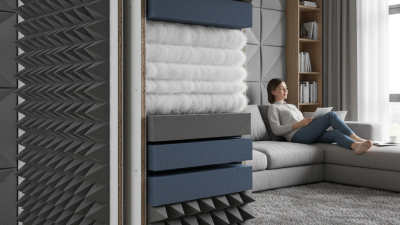
Acoustic insulation foam interacts with sound waves by changing their movement through a porous surface. When a wave reaches the foam, some energy enters its open cells. Air moves between the fibers or pores, creating friction and mild heat. This reduces reflected energy, especially in speech and mid-to-high frequency ranges. The room may sound less harsh. Echoes become shorter and quieter.

Foam is often oversold. It absorbs sound, but it does not fully block noise through walls. Low-frequency waves can pass around or through thin panels with surprising ease. Thickness, cell structure, surface coverage, and installation gaps all influence performance. Professional testing should use measured absorption data, not appearance alone. A dense-looking panel is not automatically more effective. Results can also change after furniture, curtains, or equipment enter the room.

Tips: Place foam at strong reflection points, such as side walls near speakers. Leave no unnecessary gaps between panels. Use thicker treatment for deeper sound absorption. Check the room by clapping, recording speech, and comparing the echo. This simple test helps, but it cannot replace laboratory measurements. Avoid covering every surface, because excessive absorption can make a room feel unusually dull. A balanced space usually needs both absorption and controlled reflection.

The Main Types and Structural Designs of Acoustic Foam

Acoustic insulation foam is usually an open-cell material designed to control sound inside a room. Its tiny pores convert part of sound energy into low-level heat through friction. The main types differ in density, resilience, fire performance, and moisture resistance. Polyurethane foam is light and widely used for speech, music, and equipment rooms. Melamine foam offers strong thermal stability and a cleaner surface. Higher-density foam can absorb more energy, but density alone does not guarantee better results.

Foam is not magic. It cannot block loud sound through a thin wall.

Structural design also shapes how foam interacts with sound. Wedge and pyramid faces increase surface area while breaking up reflections. They work well on walls near microphones or listening positions. Egg-crate profiles offer similar absorption with a softer visual pattern. Flat panels provide a cleaner appearance and more predictable coverage. Perforated or slotted surfaces can improve absorption at selected frequencies, depending on their backing space. Bass traps use thicker foam or corner structures because low-frequency waves need greater depth.

In practical room measurements, placement often matters more than decorative geometry. I once assumed deeper patterns would always sound better. The room proved me wrong. Poorly placed foam may leave bass problems untouched while making speech sound unnaturally dull. A balanced design usually combines wall panels, corner treatment, and controlled reflective surfaces.

Where Acoustic Insulation Foam Is Commonly Used

Acoustic insulation foam is commonly used where sound reflection must be controlled. Open-cell foam absorbs part of the sound energy inside its pores. It reduces echoes, flutter, and speech harshness. It does not create a silent room. That distinction matters.

Recording rooms often use foam on walls and ceilings around microphones, monitors, and mixing desks. Offices use it inside meeting rooms, call booths, and podcast spaces. In cinemas, studios, and classrooms, installers place panels near strong reflection points. Industrial facilities may add foam around ventilation housings or equipment enclosures, where machinery noise needs softer internal reflections.

A foam-lined cabinet can feel noticeably calmer, even when the machine remains audible.

The European Environment Agency’s Environmental Noise in Europe 2020 report estimated that 113 million Europeans faced road traffic noise above 55 dB Lden. Indoor treatment cannot solve that outdoor exposure alone.

The WHO Night Noise Guidelines for Europe recommend indoor bedroom noise below 30 dB(A) for good sleep.

Foam helps with absorption, not complete sound isolation. Dense barriers, sealed gaps, and correct mounting usually matter more for stopping transmission. Thin foam may also perform poorly against bass from subwoofers or heavy machinery.

This is where projects often disappoint. I have seen rooms covered with foam but still suffering from noise leakage. Measurement should come before installation. A small test panel, a calibrated sound meter, and honest expectations can prevent expensive mistakes.

Factors That Affect Its Soundproofing Performance

Acoustic insulation foam is an open-cell material designed to absorb sound energy. It reduces reflections, flutter echoes, and room reverberation. It does not fully block noise through walls. That distinction matters.

The honest limitation is often missed.

Its performance depends heavily on thickness and frequency. Thin foam usually treats high frequencies, while bass needs thicker absorbers or air gaps. Laboratory data under ASTM C423 and ISO 354 show that absorption ratings can change considerably by frequency.

A published Noise Reduction Coefficient, or NRC, averages selected mid-frequency results. It cannot describe every room condition. An NRC near 0.70 may still leave low-frequency rumble almost untouched.

Coverage also matters. A few panels may improve speech clarity, but wider wall and ceiling coverage produces more consistent control. Placement near strong reflection points helps. Corners can require thicker treatment because bass energy gathers there.

Foam density, cell structure, mounting method, and distance from the wall also affect results. Even experienced installers can misjudge a room without measurements. Small details matter.

Tips:

Check the full frequency chart, not only the NRC value. Use a handheld measurement system before and after installation. Leave practical air gaps behind panels when the design permits. Avoid covering every surface blindly; an overly dead room can sound unnatural. Reassess the result after furniture, curtains, and equipment are added.

LSP App

Download the LSP App now

Scan QR code to download the app

We use cookies to personalize content, utilize website traffic analytics & support our marketing initiatives. By continuing to browse our site you consent to receive our cookies. For more information see our Privacy Statement. 
Ok